
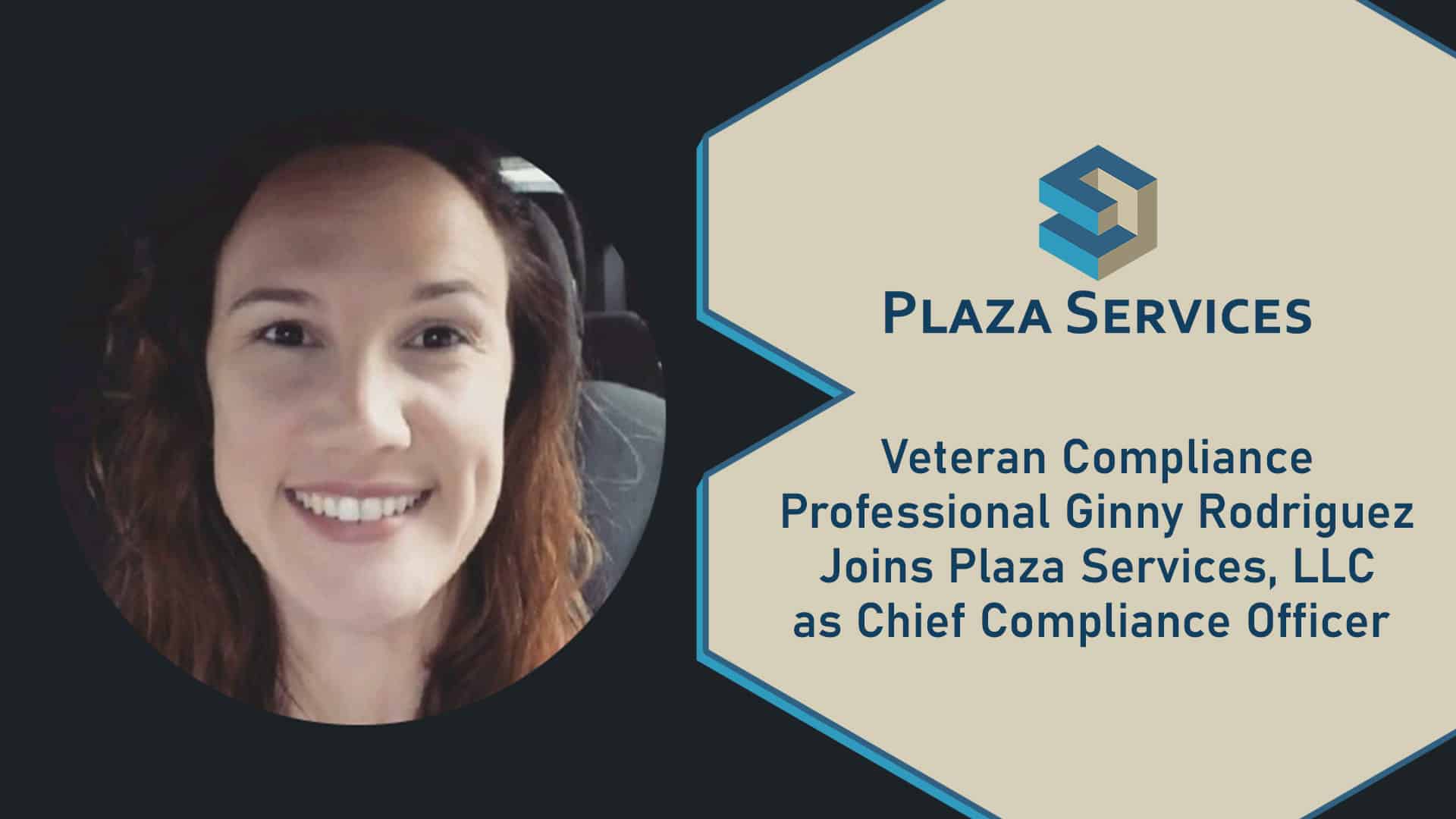
Plaza Services Expands Compliance Leadership With Industry Veteran Ginny Rodriguez
Abstract: Plaza Services has expanded its executive leadership with Ginny Rodriguez as Chief Compliance Officer. The appointment reinforces operational oversight and compliance program management.
- Rodriguez brings nearly two decades of collections industry experience.
- Her role supports audits, service provider standards, and policy alignment.
- The move strengthens receivables compliance leadership.
The accounts receivable management industry has changed significantly over the last several years. What was once viewed primarily as an operational business has evolved into a highly regulated environment where companies are expected to balance performance, consumer protection, vendor oversight, and data accountability all at once.
Because of that shift, compliance leadership is no longer operating quietly in the background. Today, it plays a direct role in how receivables organizations build trust, manage growth, and maintain long-term stability.
That growing focus on oversight is one reason Plaza Services recently appointed Ginny Rodriguez as Chief Compliance Officer. The leadership addition reflects the company’s continued investment in operational discipline, audit readiness, and structured receivables compliance practices across its business operations.
Rodriguez enters the role with nearly two decades of collections and operational experience, bringing knowledge that spans compliance auditing, process management, administration, strategy, and operational support. Her appointment strengthens the broader direction of Plaza Services compliance leadership as regulatory expectations and operational complexity continue increasing throughout the industry.
The move also reflects a wider industry trend: receivables firms are increasingly prioritizing experienced compliance leadership as part of long-term operational planning rather than treating compliance strictly as a regulatory requirement.
The Industry Is Operating Under More Scrutiny Than Ever
The receivables market today looks very different from what it did even five or ten years ago. State regulations continue expanding, consumer communication standards are changing, and financial service providers face growing expectations tied to transparency and accountability.
At the same time, businesses must manage remote operations, vendor oversight, data privacy concerns, and evolving legal standards, all while maintaining operational consistency.
That level of complexity has pushed compliance into nearly every part of day-to-day business activity.
For companies like Plaza Services, strong receivables compliance programs are essential because they help support:
- Internal operational consistency
- Audit preparedness and documentation accuracy
- Vendor oversight and accountability
- Consumer communication standards
- Risk management and reporting processes
- Alignment with changing state and federal regulations
In many ways, compliance leadership now operates as a bridge between legal expectations and operational execution. Businesses need leaders who understand both the regulatory environment and the realities of running day-to-day operations.
That combination of operational and compliance experience is part of what Rodriguez brings into her new leadership role.
Ginny Rodriguez Brings More Than Compliance Experience
One reason Rodriguez’s appointment stands out is that her background extends far beyond traditional auditing responsibilities.
Her career began within collections operations before expanding into leadership roles connected to compliance, administration, strategic planning, operational support, and organizational oversight. Over time, she advanced through positions including internal compliance auditor, operational support manager, chief strategy officer, and chief administration officer.
That progression gives her a much broader perspective on how receivables organizations function internally.
Rather than viewing compliance as a standalone department, leaders with cross-functional experience often understand how oversight responsibilities connect directly to operations, staffing, reporting, technology systems, and vendor relationships.
For Plaza Services compliance leadership, that type of experience may help strengthen collaboration across departments while improving operational coordination throughout the organization.
Rodriguez’s background also includes experience with:
- Internal and external audit preparation
- Exception reporting and quality control
- Process improvement initiatives
- Contract negotiation and vendor management
- Staff development and operational training
- Administrative process oversight
That range of experience becomes increasingly valuable as receivables firms continue operating in more complex regulatory environments.
Compliance Is No Longer Just About Policies
One of the biggest misconceptions about compliance management is that it revolves only around written policies or legal documentation. In reality, effective compliance programs often depend much more on operational execution than paperwork alone.
Businesses can maintain detailed procedures, but if those procedures are not consistently applied throughout the organization, operational risk still exists.
This is where experienced leadership becomes especially important.
Within her role, Rodriguez will help oversee several core operational and compliance functions tied to receivables compliance, including:
- Service provider compliance initiatives
- Internal quality control standards
- Regulatory monitoring and operational adherence
- Internal and external audit coordination
- Policy review and process updates
- Administrative oversight and operational support
These responsibilities directly affect how businesses maintain consistency across teams, vendors, and consumer-facing processes.
For Plaza Services, strengthening oversight in these areas helps reinforce a more proactive approach to operational management and long-term accountability.
The receivables industry increasingly expects organizations to demonstrate that compliance standards are active parts of daily operations rather than isolated administrative functions.
Vendor Oversight Is Becoming a Bigger Industry Challenge
As receivables organizations continue relying on third-party service providers, vendor oversight has become one of the fastest-growing areas of compliance responsibility.
Businesses today must evaluate not only their own operational practices but also the performance, reporting standards, and compliance procedures of external vendors and servicing partners.
That adds another layer of operational complexity.
Strong oversight requires ongoing monitoring, communication, documentation review, and audit preparation across multiple operational relationships.
For companies operating nationally, this responsibility becomes even more important because regulatory expectations may vary significantly across jurisdictions.
The expansion of Plaza Services compliance leadership reflects the increasing importance of maintaining structured oversight systems capable of supporting both internal operations and third-party accountability.
Leaders with operational experience across multiple business functions are often better prepared to identify gaps, strengthen reporting systems, and improve coordination between departments and external partners.
The Human Side of Compliance Leadership Often Gets Overlooked
While compliance discussions often focus heavily on regulations and audit processes, leadership style also plays an important role in whether operational standards are maintained successfully across an organization.
Compliance departments function more effectively when employees understand expectations clearly, and leadership promotes communication, accountability, and operational consistency. Experienced leaders often help create environments where compliance becomes part of workplace culture rather than simply a checklist of rules.
That cultural influence matters because businesses are more likely to maintain long-term operational stability when teams remain aligned around consistent standards and communication practices.
For Plaza Services, adding experienced oversight through Rodriguez’s appointment may help strengthen operational collaboration while supporting clearer coordination between departments and leadership teams. Strong compliance cultures also encourage more proactive problem-solving because employees and managers are often more comfortable identifying operational concerns before they develop into larger issues.
Receivables Compliance Will Continue Shaping Industry Growth
The receivables industry will likely continue evolving around compliance expectations, consumer protection standards, and operational accountability. Businesses that invest in experienced oversight and structured operational management may be better positioned to navigate future industry challenges.
The appointment of Ginny Rodriguez reflects Plaza Services’ continued effort to strengthen leadership around risk management, operational integrity, and long-term receivables compliance strategy.
As the regulatory environment continues to become more complex, companies across the industry are recognizing that compliance leadership now influences much more than legal readiness alone. It affects operational performance, vendor relationships, reporting standards, consumer trust, and long-term organizational stability.
Through the continued expansion of Plaza Services compliance leadership, the company reinforces its focus on maintaining responsible operational practices while adapting to the growing expectations shaping the modern receivables marketplace.
For industry partners, creditors, and service providers, the addition of experienced leadership signals a continued commitment to accountability, structured oversight, and sustainable operational growth within a highly regulated environment.


