Huntington Debt Holding Strengthens Data Security With SOC 2 Type 2 Audit Completion
- The review evaluated critical technology and risk controls.
- SOC 2 Type 2 helps demonstrate operational accountability.
- Data security remains central to receivables management.
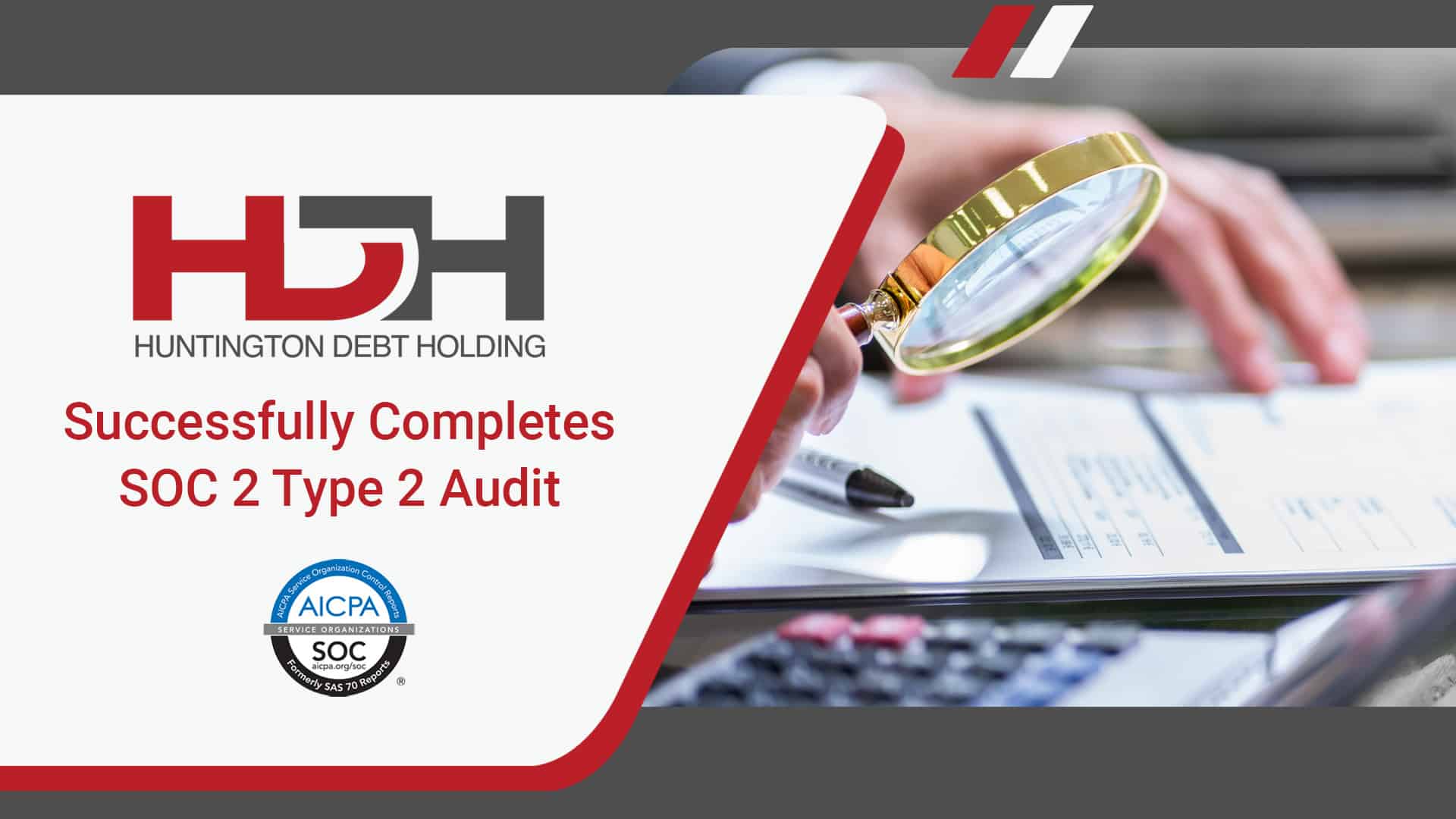
Huntington Debt Holding has completed a SOC 2 Type 2 compliance audit, reinforcing the company’s commitment to data protection, operational accountability, and responsible receivables management practices. In industries that manage large amounts of sensitive consumer and financial information, independent security assessments play an essential role in strengthening trust and maintaining confidence among clients and stakeholders.
The successful audit completion reflects Huntington Debt Holding’s continued investment in secure infrastructure, monitored controls, and compliance-focused operations. As cybersecurity expectations continue to evolve across the financial services and receivables industries, organizations are increasingly expected to demonstrate that security standards are consistently maintained throughout their operations.
Similar to standards highlighted through the Alliant Capital Management security audit, achieving SOC 2 Type 2 compliance demonstrates that an organization’s policies, procedures, and safeguards are not only documented but also tested over time through independent evaluation.
For creditors, consumers, and business partners, this milestone provides additional assurance that the company prioritizes secure handling of account information and operational integrity.
Why SOC 2 Type 2 Compliance Matters
The importance of SOC 2 Type 2 compliance continues to grow as organizations rely more heavily on digital systems, cloud-based operations, and electronic account management platforms. Unlike a point-in-time review, a Type 2 audit evaluates whether internal controls operate effectively throughout an extended observation period.
This distinction matters because businesses handling sensitive information must show that security measures are consistently applied in day-to-day operations rather than existing only as written policies. The audit process typically reviews multiple areas connected to information security and operational management, including:
- Security controls designed to help prevent unauthorized access
- Availability practices supporting reliable system performance
- Processing integrity measures tied to accurate information handling
- Confidentiality safeguards protecting sensitive data
- Privacy practices related to responsible personal information management
By completing SOC 2 Type 2 compliance, Huntington Debt Holding demonstrated that its internal systems and operational controls have been independently reviewed against recognized standards for accountability and information protection.
The completion of the audit also supports broader industry expectations around transparency, risk management, and operational reliability.
The Growing Importance of Data Security in Receivables Management
Data protection has become one of the most important operational priorities within the accounts receivable management industry. Companies in this sector routinely process sensitive financial records, account information, payment activity, and consumer communications. As digital transactions and online account servicing continue to expand, organizations are expected to maintain strong cybersecurity frameworks and disciplined operating procedures.
The completion of SOC 2 Type 2 compliance reflects Huntington Debt Holding’s understanding of the importance of secure data management and operational oversight. Strong security practices can help organizations reduce vulnerabilities while supporting trust across client and consumer relationships.
Security-focused operational controls can support:
- More secure handling of financial and consumer information
- Stronger confidence among creditors and business partners
- Consistent internal processes and accountability standards
- Reduced operational risk within digital business environments
- Better alignment with evolving privacy and compliance expectations
Like the standards demonstrated through the Alliant Capital Management security audit, independent compliance evaluations help organizations strengthen credibility while reinforcing their commitment to responsible business practices.
As cybersecurity threats continue to evolve, businesses must proactively monitor systems, review procedures, and maintain safeguards that support long-term operational stability.
Independent Audits Help Strengthen Industry Trust
Independent audits have become increasingly valuable for organizations seeking to demonstrate operational transparency and accountability. Third-party evaluations provide objective insight into whether security controls are functioning effectively over time, helping clients and stakeholders better understand how organizations manage risk and protect sensitive information.
The successful completion of the SOC 2 Type 2 compliance audit reinforces Huntington Debt Holding’s focus on maintaining secure and reliable business practices. Independent reviews offer an added layer of confidence because they involve external assessment rather than relying solely on internal reporting.
This approach mirrors broader industry efforts seen through initiatives like the Alliant Capital Management security audit, where companies seek to strengthen trust by validating operational safeguards through recognized compliance standards.
Independent evaluations can also encourage continuous improvement by helping organizations identify opportunities to refine processes, strengthen policies, and improve monitoring capabilities. In industries where consumer trust and data integrity are essential, this kind of oversight can support long-term credibility and operational resilience.
Adapting to a More Digital Business Environment
The receivables management industry continues to evolve alongside rapid technological advancements. Digital communication systems, cloud platforms, and online payment tools have improved operational efficiency while also increasing the importance of cybersecurity and privacy protection.
As businesses rely more heavily on technology-driven systems, maintaining secure operations requires more than technical infrastructure alone. Organizations must also focus on employee training, monitored procedures, risk management strategies, and operational accountability.
By completing SOC 2 Type 2 compliance, Huntington Debt Holding demonstrated a proactive approach to maintaining secure operational practices within an increasingly digital environment. The audit reflects the company’s broader commitment to information security and responsible business management.
Companies that prioritize operational security are often better positioned to address changing industry expectations and emerging cybersecurity challenges. Strong compliance programs can help organizations maintain business continuity while supporting trust among clients, consumers, and industry partners.
Supporting Higher Standards Across the ARM Industry
The accounts receivable management industry continues to place greater emphasis on compliance, transparency, and responsible information stewardship. Organizations are increasingly evaluated not only on operational performance but also on how effectively they protect consumer information and maintain ethical business practices.
The completion of SOC 2 Type 2 compliance strengthens Huntington Debt Holding’s position as a security-conscious organization focused on responsible receivables management operations. Similar to outcomes associated with the Alliant Capital Management security audit, independent reviews help demonstrate that operational controls are actively maintained and regularly evaluated.
Security-focused initiatives can also contribute to stronger relationships with creditors and business partners who prioritize accountability and data protection when selecting service providers. Organizations that invest in compliance and independent oversight are often better prepared to adapt to future regulatory expectations and evolving cybersecurity requirements.
As operational risks and digital threats continue to grow across industries, businesses that prioritize security and transparency may be better positioned to maintain long-term trust and professional credibility.
Long-Term Security and Compliance Goals
Cybersecurity and data protection expectations are likely to continue evolving across financial and receivables industries. Organizations that maintain strong operational controls and independent compliance standards will remain better equipped to manage changing risks and industry demands.
The successful completion of SOC 2 Type 2 compliance reflects Huntington Debt Holding’s ongoing commitment to operational integrity, secure information management, and responsible business practices. Through continued investment in monitored controls and compliance-focused operations, the company reinforces its dedication to protecting sensitive data while supporting confidence among consumers, creditors, and business partners.
Like organizations recognized through the Alliant Capital Management security audit, Huntington Debt Holding continues to demonstrate the value of independent review, operational accountability, and long-term commitment to information security.
As trust and data protection remain central priorities within receivables management, companies that invest in strong compliance frameworks and secure operational practices are likely to play an increasingly important role in shaping the future of the industry.