Why Incremental Growth Matters in Modern Receivables Management
- Small process improvements can strengthen portfolio performance.
- Technology supports visibility and operational efficiency.
- Compliance-driven growth improves long-term consumer trust.
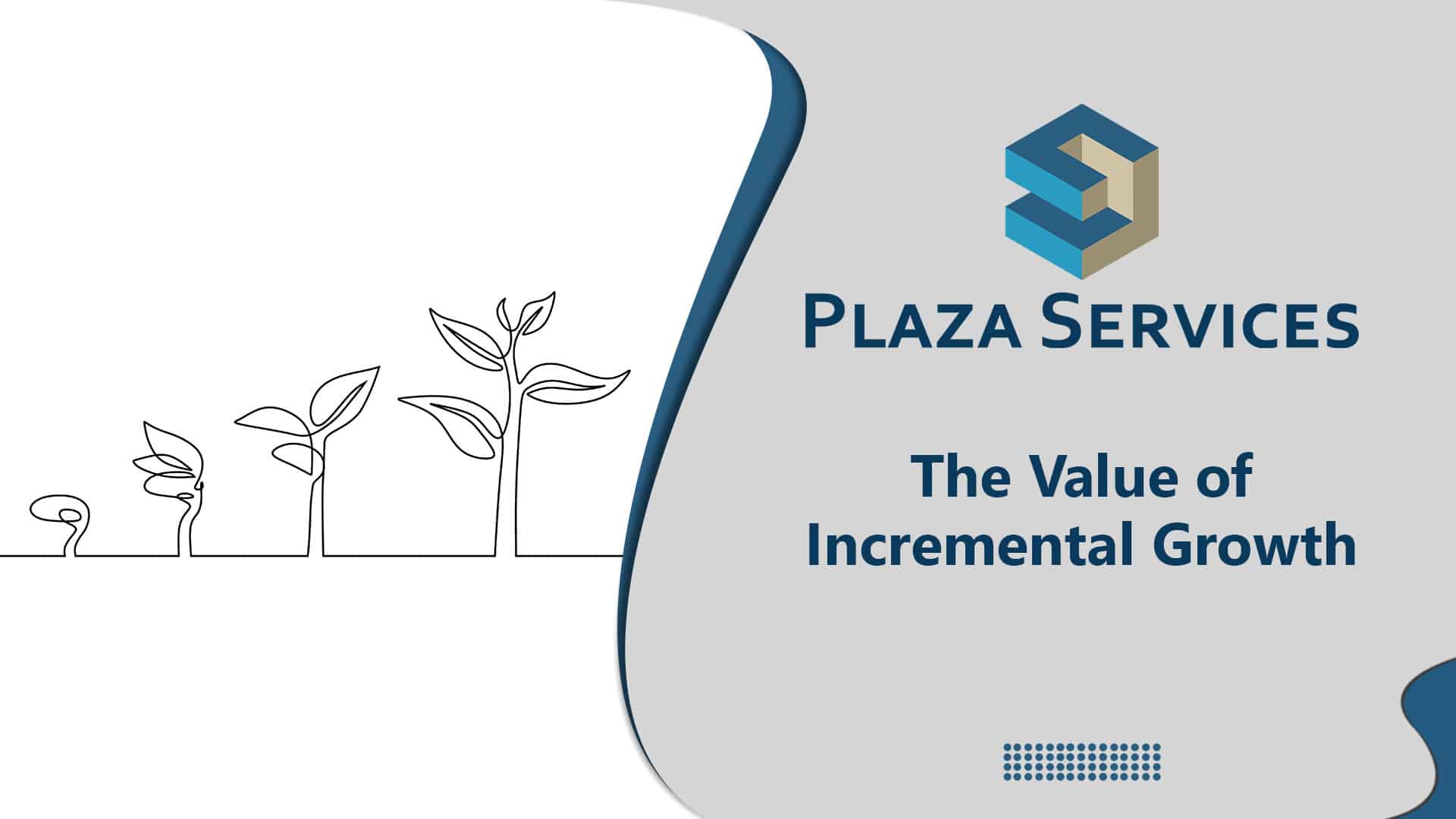
Growth in the receivables industry does not always arrive through dramatic expansion or overnight transformation.
More often, it happens quietly.
A workflow becomes more efficient, a compliance process becomes easier to monitor, consumer communication improves, and reporting systems become clearer. Small operational decisions begin stacking together over time until the organization itself operates faster, stronger, and more consistently than it did before.
That steady progression continues shaping how Plaza Services approaches long-term operational development within the evolving receivables landscape.
In an industry defined by regulatory pressure, changing consumer expectations, and increasing digital complexity, sustainable growth is becoming less about rapid scaling and more about disciplined operational refinement. Many organizations are discovering that gradual improvements across technology, compliance, and communication often create stronger long-term stability than aggressive expansion strategies alone.
This shift continues influencing the broader Plaza Services growth strategy, which reflects how incremental operational improvements can support scalability while maintaining consistency and risk management across day-to-day servicing environments.
Small Adjustments Often Create the Biggest Operational Shifts
Receivables management is built around process consistency.
Every communication workflow, account review process, compliance checkpoint, and reporting structure contributes to the overall stability of operations. Because of this, even minor operational inefficiencies can compound quickly when organizations manage large account volumes across multiple servicing channels.
That is why many companies are shifting attention toward continuous operational refinement instead of large-scale restructuring.
In practice, incremental growth often looks simple:
- Improving account workflow visibility
- Reducing response delays
- Updating communication systems
- Strengthening compliance documentation
- Streamlining reporting procedures
- Enhancing internal collaboration
Individually, these adjustments may appear relatively small. Collectively, they can reshape how organizations operate over time.
Within modern receivables environments, these gradual operational gains are becoming increasingly valuable because they allow businesses to improve performance without disrupting existing infrastructure.
This operational philosophy continues to support the long-term direction of the Plaza Services growth strategy, where consistency and adaptability remain closely connected.
Why Stability Has Become a Competitive Advantage
The receivables industry continues evolving rapidly. Regulatory expectations shift frequently. Consumer communication preferences continue to change. Technology platforms require ongoing adaptation.
In highly dynamic environments like these, stability itself becomes a competitive advantage.
Organizations attempting rapid operational expansion often face growing pains tied to compliance gaps, workflow disruptions, inconsistent servicing standards, or infrastructure limitations. Incremental growth strategies help reduce those risks by allowing companies to scale more carefully and deliberately.
For many organizations, operational stability now depends on balancing three major priorities simultaneously:
- Compliance oversight
- Consumer engagement
- Portfolio performance
The challenge is that improving one area too aggressively without supporting the others can create instability across operations.
This is one reason incremental optimization strategies are becoming more closely associated with long-term receivables management innovation efforts throughout the industry.
Rather than forcing abrupt transformation, gradual improvements allow organizations to strengthen systems while maintaining continuity across servicing operations.
Technology Is Reshaping How Incremental Growth Happens
Technology has become one of the biggest drivers behind modern operational refinement.
Years ago, organizations often relied heavily on large infrastructure overhauls to improve efficiency. Today, many operational improvements happen through smaller, more strategic technology implementations introduced over time.
Automation platforms, workflow analytics, secure communication tools, and reporting systems now allow receivables organizations to improve visibility and performance incrementally rather than through disruptive operational resets.
This evolving approach to receivables management innovation is changing how companies think about scalability.
Instead of rebuilding systems all at once, organizations can now improve specific operational areas gradually, including:
- Consumer communication workflows
- Compliance monitoring systems
- Account reporting visibility
- Payment processing functionality
- Performance analytics infrastructure
- Internal operational tracking
This phased approach reduces disruption while helping employees adapt more efficiently to changing operational tools and processes.
For organizations managing complex servicing environments, that flexibility becomes increasingly important.
Consumer Experience Is Quietly Driving Industry Change
Many of the biggest operational shifts within receivables management are being driven not by internal systems alone, but by changing consumer expectations.
Today’s consumers expect faster communication, simpler payment experiences, and more accessible account management systems across digital platforms. These expectations continue influencing how organizations structure servicing operations and communication strategies.
Incremental operational improvements often have a direct impact on consumer experience.
A faster response time improves engagement.
A clearer payment portal reduces friction.
More transparent account communication builds trust.
Over time, these smaller adjustments help organizations create more stable and consumer-focused servicing environments.
This growing emphasis on consumer accessibility is becoming an increasingly important part of broader receivables management innovation strategies across the financial services sector.
For many organizations, long-term growth is no longer measured solely by recovery volume. It is also shaped by operational responsiveness, communication quality, and the ability to adapt to evolving consumer behaviors.
Compliance Is No Longer Separate From Growth Strategy
There was once a time when operational growth and compliance management were often treated as separate priorities.
That separation no longer exists.
In today’s regulatory environment, compliance directly influences scalability, operational efficiency, and long-term sustainability. Companies that fail to integrate compliance into daily workflows often create operational risks that become more difficult to manage as organizations expand.
This reality has changed how many companies approach strategic planning.
Within the modern Plaza Services growth strategy, compliance-focused operational consistency plays a major role in supporting sustainable expansion efforts. Structured procedures, standardized workflows, and ongoing operational oversight help organizations adapt more effectively to changing regulatory conditions without creating unnecessary disruption.
Incremental compliance improvements also tend to produce long-term operational benefits, including:
- Reduced operational risk exposure
- Improved documentation consistency
- Stronger audit readiness
- Better communication oversight
- More reliable workflow management
Over time, these improvements help create stronger operational foundations capable of supporting future growth.
Long-Term Growth Is Built Through Consistency
The receivables industry often focuses heavily on metrics tied to immediate performance. Recovery rates, portfolio volume, and short-term operational gains continue driving many business conversations.
But long-term business value is usually built differently.
It develops through consistent execution, operational discipline, and the ability to improve steadily without sacrificing stability.
Organizations embracing incremental improvement strategies are often better positioned to navigate industry uncertainty because they create operational systems capable of adapting continuously rather than reacting suddenly.
That adaptability continues shaping the future of receivables management innovation as organizations seek sustainable ways to improve technology integration, compliance oversight, consumer engagement, and workflow efficiency simultaneously.
As operational demands continue evolving, companies focused on gradual optimization may find themselves better prepared to manage complexity, maintain consistency, and strengthen long-term performance across increasingly dynamic servicing environments.
For organizations like Plaza Services, incremental growth is not simply about moving slower—it is about building smarter, stronger, and more resilient operations capable of sustaining long-term success within the modern receivables industry.