The Role of Personality Alignment in Modern Collections Hiring
Throughout my career, it has become clear that team performance improves when leaders understand the behavioral tendencies of the individuals they hire and develop.
Collection environments often rely heavily on procedural training, compliance enforcement, and technology adoption. Yet, these areas do not address the core human dynamics shaping performance, communication, and retention.
Hiring strategies using personality insights offer a systematic, people-first methodology that strengthens behavioral alignment across teams. Instead of focusing solely on skills or experience, personality-driven hiring evaluates how individuals naturally respond to pressure, learn new tasks, and interact with peers and supervisors.
When personality and role expectations align, organizations achieve greater operational stability and significantly stronger long-term outcomes.
The purpose of this article is to present a structured, academic examination of why personality insights matter, how they can be operationalized, and what advantages they provide for leaders seeking to build stronger collection teams.
The discussion is grounded in real-world applications, leadership practice, and the observed patterns that emerge across high-performing teams.
The Strategic Value of Behavioral Alignment
Collections operations depend on consistency, resilience, and communication effectiveness. These attributes are heavily influenced by behavioral tendencies.
Traditional hiring approaches prioritize experience or assessed skill; however, these factors do not reliably predict how an individual will perform under the unique pressures of a collections environment.
Personality insights allow leaders to anticipate:
- How an individual will manage compliance constraints
- How they will respond to coaching and performance feedback
- How they will engage in consumer interactions
- How they will adapt to rapid operational changes
When roles align with behavioral strengths, performance tends to stabilize. Misalignment, on the other hand, increases burnout, turnover, and conflict. These are the issues that have been widely documented within the collections industry and continue to impact operational continuity.
Personality-based selection is not about assigning labels; it is about integrating a structured understanding of human behavior into workforce planning. This elevates hiring from a transactional process to a strategic decision-making framework.
Leveraging DISC as a Practical Leadership Tool
Among the various behavioral models available, the DISC framework offers practical advantages due to its simplicity and operational usability.
DISC categorizes behavior into four primary tendencies, which are Dominance (D), Influence (I), Steadiness (S), and Conscientiousness (C). Each tendency corresponds to specific communication patterns, motivational drivers, and stress responses.
The value of the DISC framework in collections leadership lies in its predictive capability. For example:
- Individuals with high Dominance tendencies may respond decisively to consumer pushback but may also generate interpersonal friction if paired with similarly assertive colleagues.
- High Influence personalities often excel in rapport-building but may require structure to maintain focus.
- Steadiness-oriented individuals stabilize teams during high-volume periods and contribute to cultural consistency.
- Conscientious personalities provide precision and quality control, essential for compliance-heavy workflows.
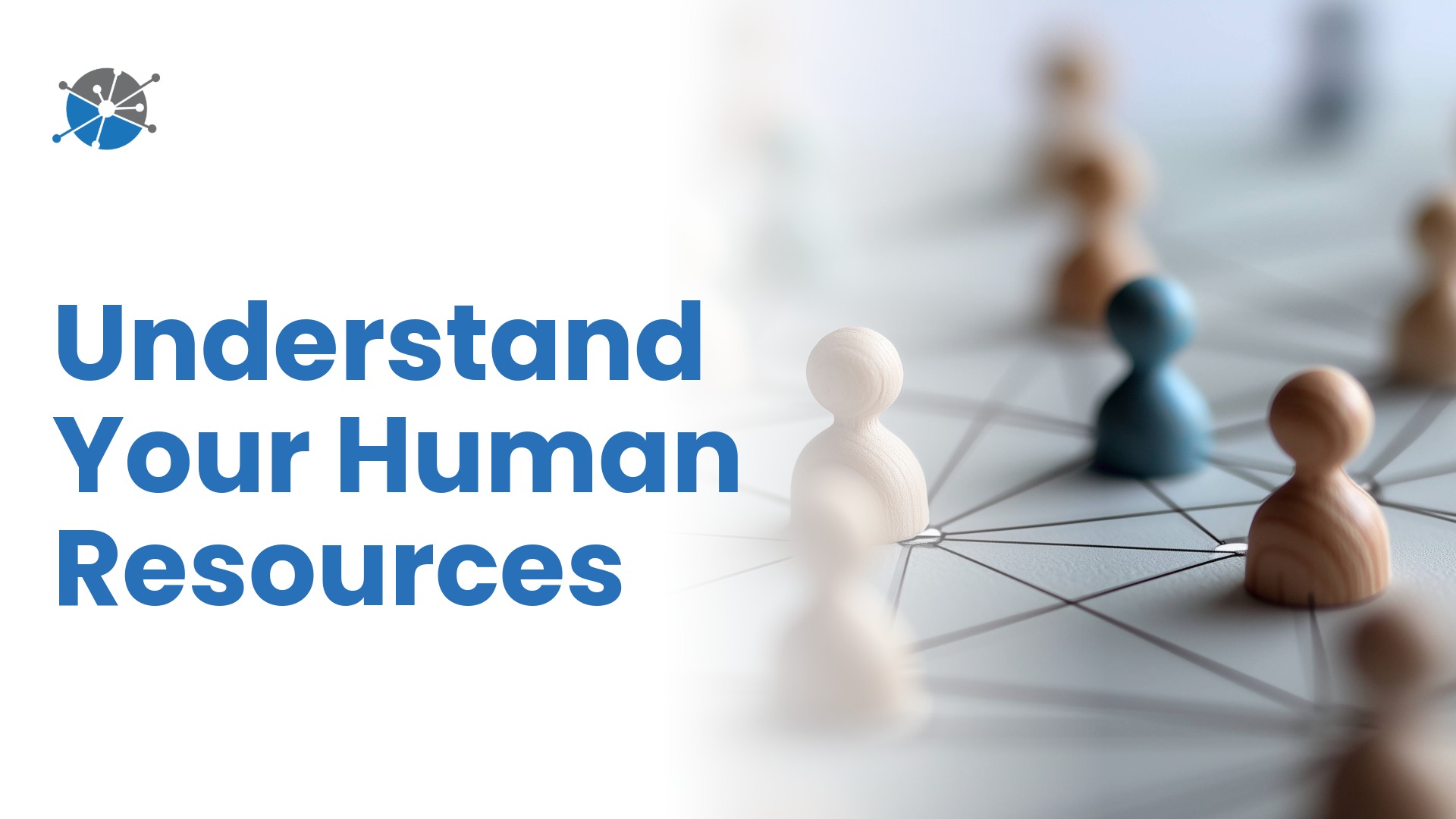
Understanding these patterns allows leaders to construct team compositions that reduce conflict and strengthen complementary strengths. Organizational effectiveness increases not by changing people, but by placing them where their behavior contributes most effectively.
Developing Talent Through Strength-Based Alignment
Long-term talent development requires more than identifying top performers. It requires understanding why individuals excel in particular contexts and how those strengths can be cultivated into leadership capability.
In collections, promoting individuals purely based on performance often leads to misalignment; behavioral tendencies must also be considered. For instance, individuals with strong Steadiness profiles often demonstrate patience and consistency, both of which are foundational traits for frontline leadership.
Similarly, Conscientious individuals may excel in compliance or quality assurance roles, while Influence-oriented individuals may contribute significantly to training, morale-building, or supervisory coaching.
A strength-based development structure supports:
- More accurate leadership identification
- Increased employee engagement
- Reduced performance volatility
- Higher retention across key roles
By aligning development pathways with behavioral strengths, leaders build more resilient leadership pipelines and reduce the likelihood of misplacement that often leads to turnover or disengagement.
Improving Communication and Reducing Operational Friction
One of the most overlooked benefits of personality-driven hiring is its impact on communication. Behavioral patterns influence how individuals interpret instructions, provide feedback, manage stress, and resolve conflict. When leaders account for these factors, team communication becomes more predictable and less reactive.
For example, assertive communicators may require direct, concise feedback, while detail-oriented personalities may require structured expectations and follow-through. Recognizing these differences allows leaders to tailor communication in ways that reduce misinterpretation and build trust.
A well-known leadership principle, sometimes referred to as the “emotional bank account,” emphasizes the cumulative impact of small interactions, particularly commitments kept or broken. Behavioral alignment makes leaders more aware of which expectations carry greater weight for certain individuals, strengthening trust and team cohesion at scale.
Constructing Operational Systems Around Personality Insights
Integrating personality insights into hiring and workforce planning does not require replacing existing processes. Instead, it enhances them.
Interview questions can be structured to identify behavioral tendencies. Role assignment can reflect personality fit. Coaching methodologies can be adapted to individual communication needs. Team configurations can be optimized for balance and resilience.
Over time, these adjustments compound into a more predictable, stable operational environment. Reduced attrition, fewer interpersonal conflicts, clearer expectations, and more engaged team members contribute directly to improved performance and stronger consumer outcomes.
By placing personality alignment at the foundation of hiring and development, leaders create a system that is more adaptive, scalable, and sustainable.
Conclusion
As the collections industry advances technologically and adapts to evolving regulatory expectations, the importance of strong leadership and cohesive team dynamics has only increased.
Hiring strategies using personality insights provide a research-backed, operationally effective approach to improving workforce alignment, communication, and performance.
These strategies treat personality not as a fixed constraint but as an essential piece of information that allows leaders to assign roles more accurately, coach more effectively, and cultivate talent more intentionally.
When organizations embed behavioral awareness into hiring and development, they experience greater cultural stability, stronger retention, and improved long-term results.
Effective leadership begins with understanding people, not just abstractly, but behaviorally. When leaders design systems around that understanding, they build teams capable of meeting the industry’s ongoing challenges with consistency and resilience.
Author Bio
Adam Parks has become a voice for the accounts receivables industry. With almost 20 years working in debt portfolio purchasing, debt sales, consulting, and technology systems, Adam now produces industry news hosting hundreds of Receivables Podcasts and manages branding, websites, and marketing for over 100 companies within the industry.