
UK Debt Collection Activity Intensifies as HMRC Spending Rises and Businesses Face £26B in Unpaid Invoices
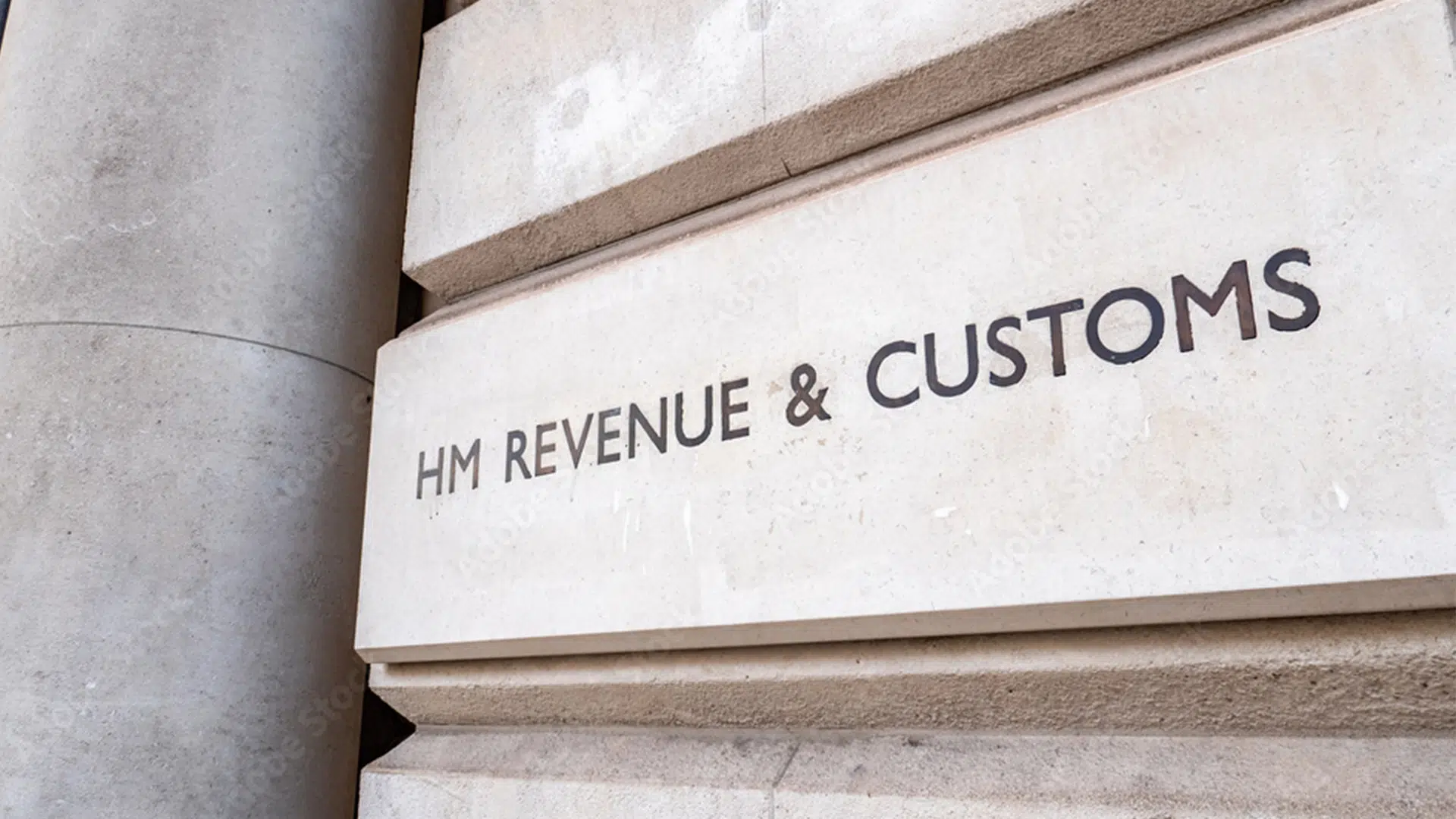
The UK’s debt collection landscape is seeing increased activity across both the public and private sectors, as new data shows HM Revenue & Customs (HMRC) ramping up enforcement spending while businesses continue to struggle with billions in unpaid invoices.
HMRC is now spending more than £5 million per month on private debt collection services as part of a broader government effort to recover unpaid taxes. At the same time, industry data highlights a growing late payment crisis affecting UK businesses, with an estimated £26 billion in outstanding invoices at any given time.
HMRC Expands Use of Private Debt Collection Firms
HMRC paid more than £21.1 million to debt collection group TDX between October 2025 and February 2026, according to figures analyzed by think tank Parliament Street. TDX is a subsidiary of Equifax that oversees a network of private collection agencies tasked with recovering unpaid tax liabilities from individuals and businesses.
In recent months, payments to TDX for debt collection services rose 73% between January and February alone, reaching £5.2 million.
The increase aligns with Chancellor Rachel Reeves’ pledge to raise an additional £5 billion annually by strengthening tax collection efforts. Government data indicates the UK’s “tax gap” stood at approximately £46.8 billion, or 5.3% of total theoretical tax liabilities, for the 2023 to 2024 tax year.
Small businesses account for the majority of unpaid taxes, representing roughly 60% of outstanding liabilities. By contrast, wealthier individuals account for about 5%.
HMRC has also committed to expanding its internal enforcement capacity, with plans to hire 5,000 additional tax officials over the next five years, alongside a previously announced increase of 500 staff.
A spokesperson for HMRC said most taxpayers meet their obligations, with about 90% paying in full and on time. The agency emphasized that it offers support to those who engage, including installment payment plans.
Businesses Confront Mounting Late Payment Pressures
Separate industry data points to a worsening late payment environment across UK businesses, particularly among small and medium-sized enterprises.
Late payments are estimated to cost the UK economy nearly £11 billion each year, while approximately 14,000 businesses close annually due to unpaid invoices. At any given time, businesses are collectively owed around £26 billion, with the average affected company chasing roughly £17,000 in overdue payments.
The operational burden is also significant, as UK businesses spend an estimated 133 million hours each year pursuing overdue invoices, which translates to about two working weeks per business annually.
Industries with complex supply chains and tight margins, including construction, professional services, and manufacturing, are among the most affected. Smaller firms are particularly vulnerable due to limited cash reserves and fewer administrative resources to manage collections.
Debt collection firms report that delayed action can significantly reduce recovery rates. Industry guidance emphasizes the importance of early intervention, consistent follow-up, and escalation when accounts become significantly overdue.
Parallel Pressures Driving Collection Activity
The increase in HMRC enforcement and the rise in private-sector collection activity reflect a shared underlying challenge of persistent cash flow constraints and growing levels of unpaid debt across the UK economy.
Tax experts note that late payments are becoming more common as businesses and households navigate higher costs and tighter financial conditions. Some have raised concerns that increased reliance on private collectors could create additional pressure for taxpayers already facing financial strain.
At the same time, collection agencies are urging businesses to take a more proactive approach to credit control, warning that hesitation to pursue overdue accounts can lead to more severe financial consequences.
Why It Matters
For the receivables management industry, these developments signal sustained demand for third-party collection services across both government and commercial sectors.
Increased enforcement activity by HMRC is likely to expand opportunities for agencies involved in tax debt recovery, while ongoing late payment challenges continue to drive demand for commercial collections.
At the same time, the environment raises compliance and reputational considerations. As collection activity intensifies, agencies may face greater scrutiny regarding consumer treatment, communication practices, and adherence to regulatory standards.
The dual pressures of government enforcement and private-sector recovery efforts point to a more active and complex collections landscape in the UK, where effective strategies must balance recovery objectives with regulatory expectations and stakeholder relationships.


