
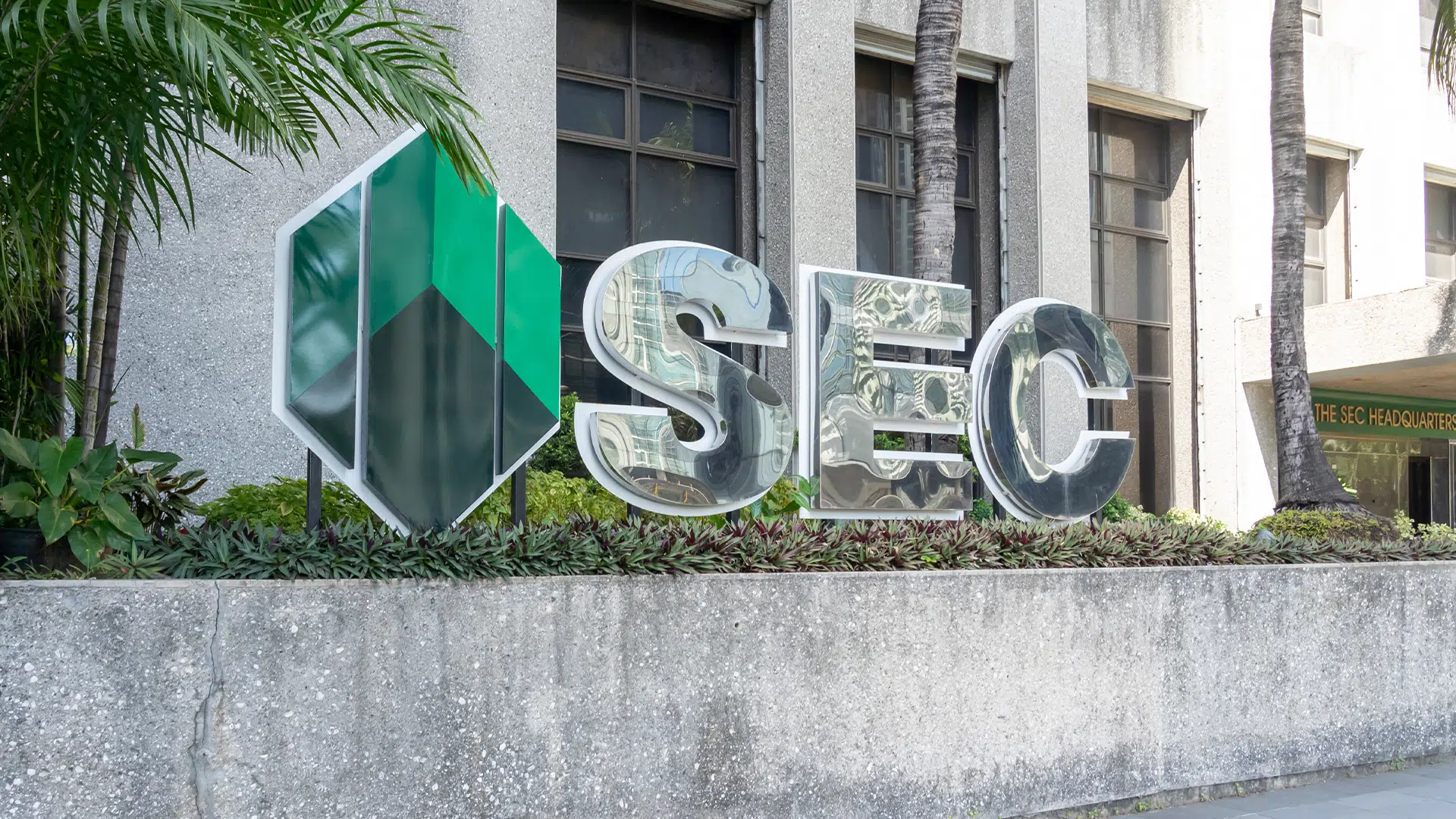
Philippines SEC Fines Online Lender Over 262% Monthly Interest Rate, Unfair Debt Collection Practices
The Securities and Exchange Commission (SEC) of the Philippines has fined Inclusive Credit Lending, Inc. ₱1.03 million after finding that its Pinoy Peso online lending platform charged effective monthly interest rates as high as 262.67% and engaged in unfair debt collection practices, including threats and public shaming of borrowers.
The July 21 order, issued by the SEC’s Financing and Lending Companies Department (FLCD), found the company violated SEC Memorandum Circular No. 3, Series of 2022, which establishes interest rate and fee ceilings for online lending platforms, and Memorandum Circular No. 18, Series of 2019, which prohibits abusive debt collection practices.
SEC Says Interest Rates Far Exceeded Regulatory Limits
The enforcement action arose from a borrower complaint alleging that Pinoy Peso deducted 38% of the loan principal upfront before disbursing funds.
According to the SEC’s investigation, that fee structure resulted in a seven-day effective interest rate of 61.29%, which translated to an effective monthly interest rate of 262.67%, or approximately 8.67% per day.
Those rates substantially exceeded the Philippines’ regulatory ceiling of a 15% effective monthly interest rate, or roughly 0.5% per day, established under SEC Memorandum Circular No. 3.
The case highlights continued regulatory scrutiny of online lending platforms in the Philippines, where regulators have taken an increasingly active role in policing both lending costs and collection practices.
Order Also Addresses Harassment and Public Shaming
Beyond the excessive lending charges, the SEC found Inclusive Credit engaged in prohibited collection activity.
According to the order, the borrower was subjected to threats and public shaming after the company allegedly posted her photograph and personal information on social media in connection with collecting the debt.
The SEC concluded there was substantial evidence linking those communications to the collection of the complainant’s loan obligations.
“The Department does not hold that a demand for payment, even one expressed firmly, is by itself unlawful,” the order stated. “A creditor has the right to collect a valid obligation. But the right to collect is not a license to humiliate.”
The conduct violated SEC Memorandum Circular No. 18, Series of 2019, which prohibits unfair debt collection practices by financing and lending companies.


