Student Loan Forgiveness Delays and Bankruptcy Risks Raise New Concerns as Defaults Climb
Case Snapshot
- Court: U.S. District Court for the Northern District of California
- Case: Sweet v. McMahon
- Decision Date: No ruling on the pending sanctions request as of Oct. 19, 2026.
- Core Issue: Enforcement of a federal student loan discharge settlement.
- Key Allegation: Borrowers’ attorneys allege the Education Department failed to provide required settlement relief by established deadlines.
- Court Holding: Previous orders rejected requests to extend certain settlement deadlines.
- Outcome: Enforcement and sanctions motions pending, with a hearing scheduled for Nov. 5, 2026.
- Notable Detail: Borrowers’ attorneys report at least 1,051 class members remain without required loan discharges or refunds.
The U.S. Department of Education is facing renewed legal scrutiny over delayed student loan discharges as borrowers report problems with forgiveness eligibility and repayment records. The developments come amid sweeping changes to federal student loan programs under the Trump administration, raising questions about borrowers’ financial stability, bankruptcy risks, and the potential implications for the receivables management industry.
Education Department Faces Possible Sanctions Over Loan Discharges
A federal court is considering whether to impose sanctions against the Education Department and Secretary Linda McMahon over allegations that the agency has failed to comply with a student loan forgiveness settlement.
The dispute stems from Sweet v. McMahon, a class-action lawsuit involving borrowers who sought federal loan discharges after alleging misconduct by their schools.
Under a settlement approved in 2022, eligible borrowers were entitled to relief that could include cancellation of outstanding student loans, refunds of previous payments, and corrections to credit reporting.
However, the Project on Predatory Student Lending (PPSL), which represents the borrowers, says at least 1,051 class members are still awaiting overdue loan discharges or refunds.
The organization filed motions in August seeking enforcement of the settlement and sanctions against the department. On Oct. 15, attorneys filed additional arguments supporting those requests.
The Education Department has opposed the motions, arguing that it has substantially complied with the agreement. Borrowers’ attorneys maintain that outstanding obligations constitute violations requiring additional court intervention.
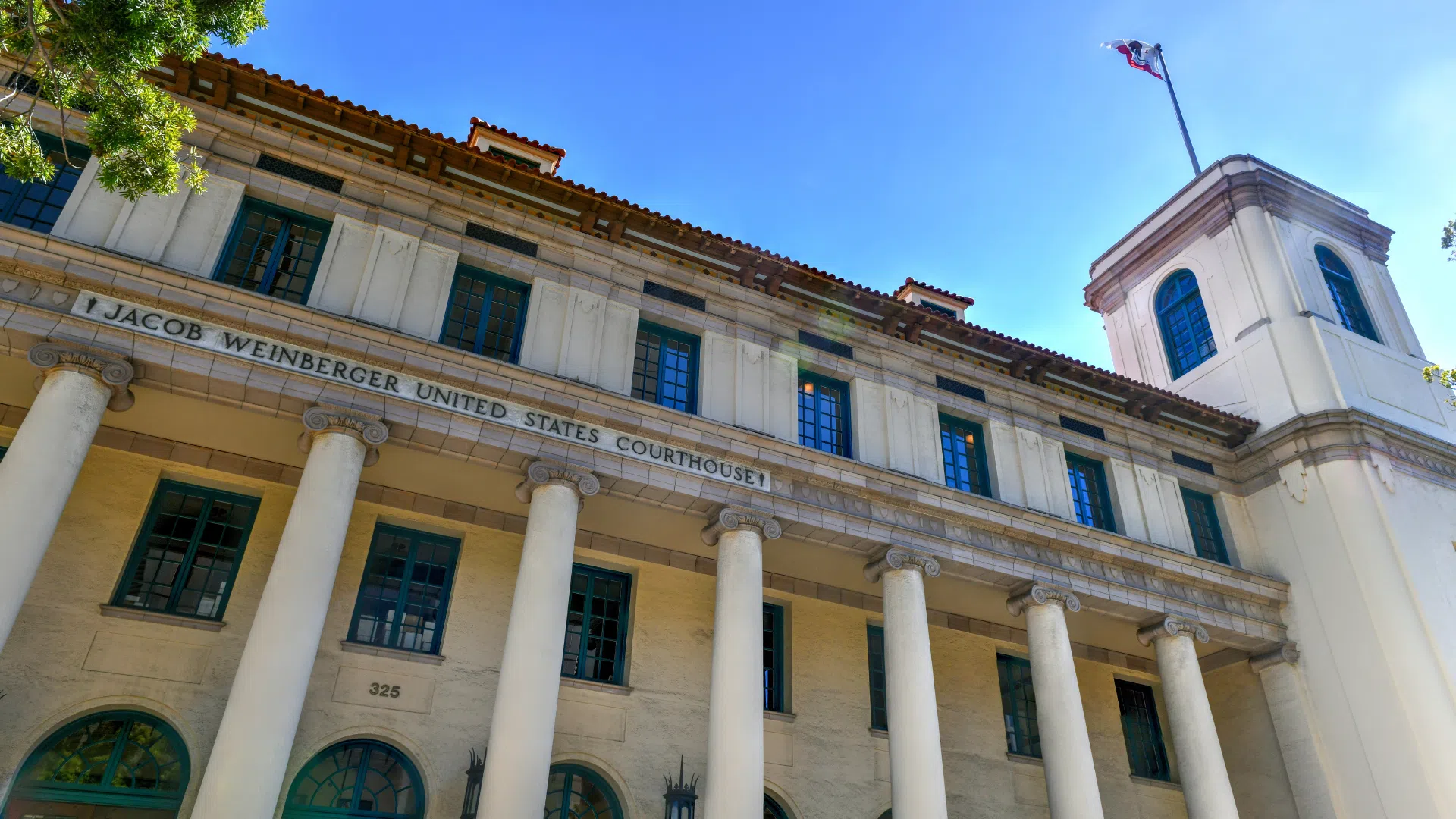
A hearing is scheduled for Nov. 5 in the U.S. District Court for the Northern District of California.
The outcome could determine how aggressively courts enforce student loan discharge obligations when federal agencies fail to meet established deadlines.
Public Service Loan Forgiveness Errors Create Repayment Uncertainty
Separate concerns are emerging around Public Service Loan Forgiveness (PSLF), which allows eligible government and nonprofit employees to receive federal student loan forgiveness after making 120 qualifying monthly payments while meeting the program’s requirements.
Some borrowers approaching forgiveness have reported losing previously credited payments following adjustments to Education Department records.
According to recent reporting by Business Insider, the corrections have resulted in borrowers unexpectedly facing additional payments, postponed forgiveness, and questions about their account status.
The department has attributed some payment-count problems to coding errors associated with changes implemented during the Biden administration. Officials maintain that qualifying payments must be accurately credited to borrowers.
The problems have also drawn attention from state regulators. In September, eight state student loan ombudsman offices urged federal officials to improve oversight of PSLF administration, citing unexplained changes to qualifying payment counts and difficulties obtaining corrections.
For borrowers, the consequences can extend beyond delayed forgiveness. Disputed balances may affect household budgets, credit reporting, and the ability to qualify for other financing.
The PSLF program remains available under federal law, but payment-count accuracy and timely servicing have become significant concerns for borrowers attempting to establish their eligibility.
New Student Loan Limits Raise Questions About Bankruptcy Risk
The Trump administration’s student loan overhaul, enacted through the One Big Beautiful Bill Act in July 2025, introduced substantial changes to federal borrowing limits and repayment options beginning July 1, 2026.
Under the updated federal student loan rules, graduate students generally face annual federal borrowing limits of $20,500, while qualifying professional students may borrow up to $50,000 annually. New graduate and professional students also generally lose access to Grad PLUS loans, subject to limited exceptions for existing borrowers.
These changes could increase reliance on private student loans for students whose educational expenses exceed federal borrowing limits.
Supporters of the reforms argue that borrowing restrictions can help control educational costs and reduce excessive debt. The Education Department has also promoted the new Repayment Assistance Plan and Tiered Standard repayment plan as ways to simplify repayment and improve affordability.
Critics warn that greater reliance on private financing could expose borrowers to higher interest rates and fewer repayment protections.
In an October CNBC interview, retired U.S. Bankruptcy Judge Sarah Sharer Curley expressed concern that the new borrowing limits could contribute to additional bankruptcy filings as students turn to more expensive private financing.
National bankruptcy data show that filings are already increasing, although the figures do not establish that student loan policy changes are responsible.
According to the Administrative Office of the U.S. Courts, nonbusiness bankruptcy filings reached 581,570 during the 12 months ending June 30, 2026, an increase of 12% from the previous year.
Student loans also generally face stricter bankruptcy discharge requirements than ordinary unsecured consumer debt. Borrowers typically must establish undue hardship through a separate court proceeding.
A Department of Justice process introduced in 2022 was intended to make federal student loan discharge proceedings more consistent and accessible. That guidance remained publicly available as of October 2026.
Rising Student Loan Defaults Add Pressure to the Receivables Industry
The broader student loan portfolio illustrates the financial pressure facing borrowers.
According to the Education Department’s September 2026 federal student aid data release, the outstanding federal student loan portfolio exceeded $1.7 trillion across approximately 42.3 million recipients as of June 30.
Within the $1.64 trillion federally managed portfolio, more than 9.3 million recipients were in default, an increase of approximately 400,000 during the quarter. Their outstanding loans totaled $234 billion.
Approximately 3.5 million borrowers in active repayment were more than 30 days delinquent, including roughly 1.5 million in late-stage delinquency.
For student loan servicers, collection agencies and other receivables management organizations, the intersection of rising defaults and disputed forgiveness records creates operational and compliance challenges.
Agencies handling affected accounts must be able to distinguish between enforceable repayment obligations, loans eligible for discharge, and balances subject to unresolved administrative disputes.
Payment-count corrections, delayed discharges and inaccurate credit reporting can also create additional servicing costs and potential litigation exposure, particularly when consumers are contacted about debts they believe have already been resolved.
For the broader ARM industry, changes in student loan repayment obligations may also affect consumers’ capacity to repay other debts, including credit cards, medical bills and personal loans.
With the Sweet v. McMahon hearing approaching and millions of borrowers transitioning through new federal repayment rules, the accuracy of loan servicing records and the timely resolution of borrower disputes will remain important considerations for creditors and collection organizations.