Debt Collection and High-Cost Lending Draw Scrutiny in 2026 Senate Races
Debt collection practices and consumer lending regulations have become points of controversy in two U.S. Senate races, as recent reporting examines medical debt lawsuits in Kansas and payday lending oversight in Texas. The developments have brought renewed attention to collection litigation, creditor discretion and financial regulations ahead of the Nov. 3 midterm elections.
In Kansas, President Donald Trump has defended Republican Sen. Roger Marshall against criticism over lawsuits involving former patients’ unpaid medical bills. Meanwhile, Texas Attorney General Ken Paxton, the Republican nominee for U.S. Senate, faces renewed questions about a 2019 legal opinion affecting high-cost consumer lending and campaign contributions from industry figures.
Texas Senate Race Raises Questions About Payday Lending Oversight
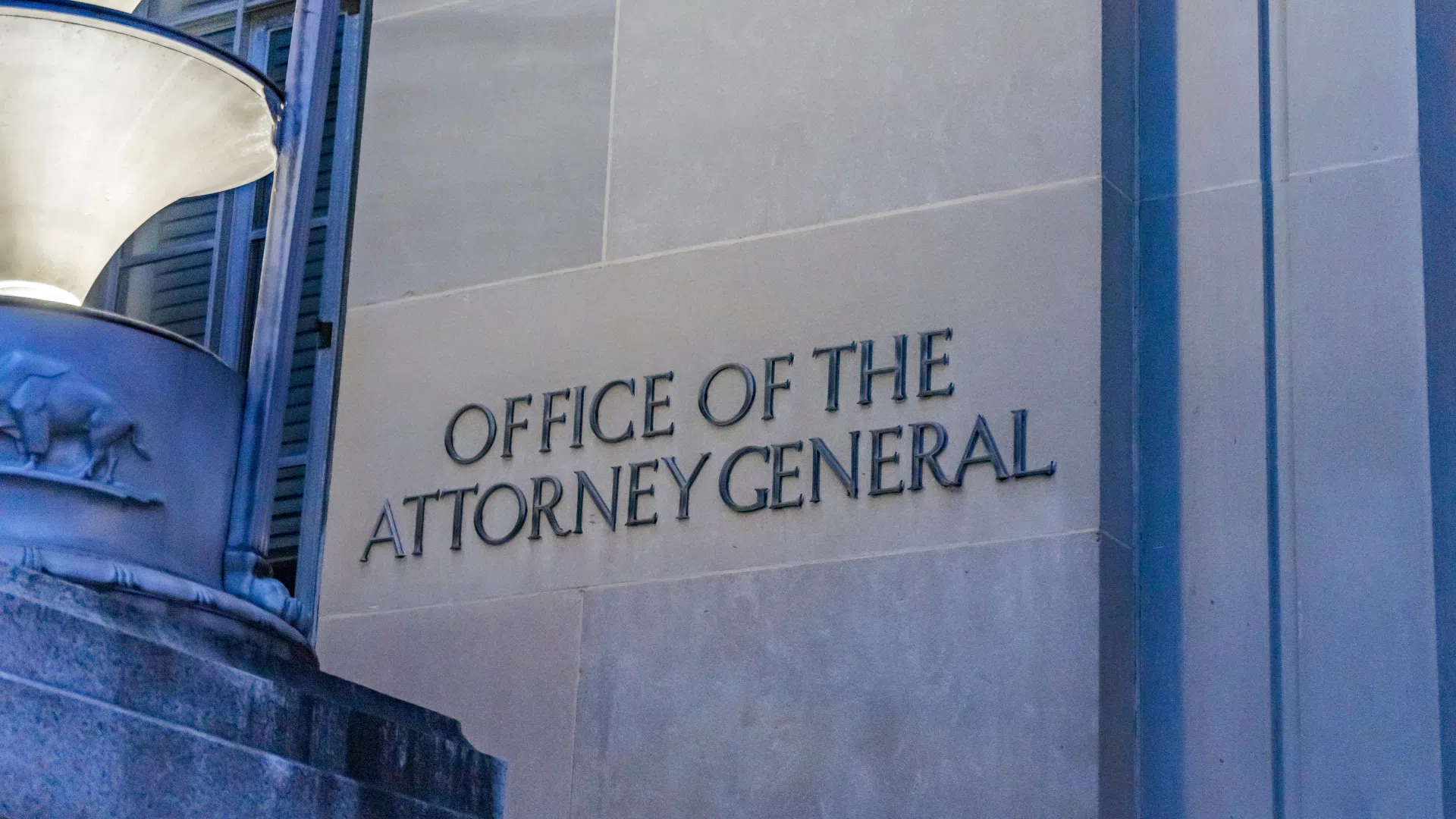
An Oct. 22 investigation by the San Antonio Current examined campaign contributions Paxton received from payday lending industry figures around the time his office issued a November 2019 legal opinion addressing credit services organizations.
According to the investigation, Paxton received $10,200 in industry-related contributions during the months preceding the opinion and another $23,500 afterward, totaling $33,700.
The 2019 attorney general opinion, KP-0277, concluded that Chapter 393 of the Texas Finance Code generally does not prohibit credit services organizations from helping consumers obtain forms of credit other than payday or motor vehicle title loans, provided those organizations are not operating as credit access businesses.
Consumer advocacy groups contend the interpretation created a regulatory loophole allowing lenders to offer high-cost products outside certain existing state and local restrictions. The Current reported examples of loan products carrying annual percentage rates exceeding 600%, including one advertised at 846%.
The opinion itself did not authorize specific interest rates or determine whether individual loan products complied with Texas law. Those determinations depend on the particular lending arrangements.
Consumer advocates, including Texas Appleseed, have criticized the interpretation for potentially weakening oversight and transparency in the state’s high-cost lending market. The American Financial Services Association also warned in 2019 that the interpretation could disadvantage regulated lenders and encourage unlicensed lending activity.
Paxton did not respond to the Current’s request for comment. Although the reported contributions raise questions about industry influence, their timing does not establish that they affected the attorney general’s legal opinion.
Paxton faces Democratic state Rep. James Talarico in the November election.
Trump Defends Kansas Senator’s Medical Debt Lawsuits
In Kansas, Marshall’s past medical debt collection practices have become an issue in his re-election campaign against Democrat Adam Hamilton.
According to reporting by The New York Times, Marshall’s former medical practice pursued hundreds of patients through collection lawsuits, charged 18% annual interest on unpaid balances and obtained court orders that resulted in arrests after some defendants failed to appear for hearings.
During an Oct. 19 campaign rally in Park City, Kansas, Trump defended Marshall, claiming that federal law required him to pursue unpaid patient bills and that failing to do so could expose him to criminal liability.
However, an Oct. 21 CNN fact-check found no federal or Kansas law requiring physicians to sue patients over unpaid medical debt.
Federal regulations governing Medicare and Medicaid payments can require health care providers to make reasonable collection efforts. Those obligations, however, do not mandate litigation or prevent providers from waiving certain debts when patients demonstrate financial hardship.
The Department of Health and Human Services Office of Inspector General specifically permits physicians to waive copayments based on individual financial circumstances or unsuccessful reasonable collection efforts.
Marshall has defended his practice’s billing policies and said it provided millions of dollars in charity care while writing off hundreds of patients’ bills each month.
The controversy has highlighted the distinction between reasonable attempts to recover unpaid medical bills and the discretionary use of lawsuits, interest charges, and other collection procedures.
What the Developments Mean for the ARM Industry
Although the Texas and Kansas controversies involve different financial practices, both demonstrate how debt collection and consumer lending policies can become subjects of national political attention.
The Texas dispute centers on regulatory interpretation, lending oversight, and the extent to which high-cost credit products fall within existing consumer protections. The Kansas controversy focuses on medical debt recovery and the legal responsibilities of health care providers when pursuing unpaid accounts.
For accounts receivable management organizations, the issues reinforce the importance of distinguishing legal collection requirements from optional recovery practices.
Creditors and collection agencies must evaluate applicable federal and state restrictions, including rules governing interest charges, debt collection litigation, consumer disclosures, and hardship accommodations.
Neither controversy has produced a new federal debt collection requirement. However, both place consumer financial practices before voters at a time when the industry is already navigating changing federal oversight and significant differences among state regulatory frameworks.
The results of the November elections could influence future congressional discussions of consumer lending and debt collection, although neither race establishes a clear legislative direction for the industry.