Mike Becker discussing executive networking, peer learning, and leadership collaboration at the RMAI Executive Summit 2026

Why Industry Leaders Attend the RMAI Executive Summit

Adam Parks (00:00)

Hello, everybody, Adam Parks here. Welcome to the Why We Go series talking about the RMAI Executive Summit in 2026. I've got the RMAI executive director, Mike Becker, here with me to talk to us all about the event. This has historically been one of, if not my absolute favorite event of the year because of its size. 

The small size of this conference in the remote and unique locations in which we travel to is a major part of why I always say I go to the RMAI annual conference every year to do deals, but I go to the Executive Summit to build relationships. So Mike, thank you so much for joining me today and giving me the update on the RMAI Executive Summit.

Mike Becker (00:43)

The pleasure is mine. Yeah, we're excited to see you and what will be here around the corner August 4th to 6th this year.

Adam Parks (00:49)

It is coming up very quickly and on the opposite side of the country for me, but I'm very excited. It's my first trip to that area. Tell everyone a little about the lodge, the location, and maybe some of the wines that they might experience while on this trip.

Mike Becker (01:03)

Of course, yeah, this year will be, will actually be in Washington state, but most folks will fly into Portland, Oregon, because it will be 45 minutes east of the Portland airport, just on the Washington state side in Stevenson, Washington. And that's right in the Columbia River Gorge. So it's just beautiful outdoor space. We're actually going to utilize a lot of the outdoor space. 

Those of you who have been to Executive Summit know we like to do that, particularly with our nightly networking fire pits. But we have some new exciting ideas that will take advantage of the outdoor scenery surrounded by the gorge, the pines, the firs, the maples, beautiful. And some vineyards not too far away, as Adam noted, you'll be in ⁓ Pinot Noir country up there. But just beautiful outdoor space in a wonderful part of the country right on the Washington, Oregon line.

Adam Parks (01:52)

And I know that when it comes to RMAI Summit, this is something where you're always pushing the limits and trying new things. Very excited to see what you have cooked up this year. You were telling me a little bit about some of the changes to education in the approach to education, some of the folks that are gonna be speaking this year. Very excited for your new approach. Could you tell everyone about that?

Mike Becker (02:02)

Yeah. Well, it's building on what RMAI has done for years, which is trying to put forth really great education. sometimes that's thinking outside of the box. And when we looked at it, and actually have surveyed members from not only Executive Summit, but also annual conference, asking them, hey, what keeps you up at night? What's on your mind? What are the challenges that you're dealing with?

We try to go out and find outside speakers on this, not just some of your industry peers. Now, of course, your industry peers will be at the executive summit, so you'll hear some of that perspective. But there are certain topics, and one of them, I'll give you an example, is AI. People want to hear about AI, but one of the struggles with AI education is AI fatigue. There's education fatigue, there's operational fatigue, there's this cultural fatigue with AI.

So we've been working with some of our working groups and committees to really to tackle that and see how do we provide meaningful AI education or AI sessions without having our attendees leave those sessions and say that was just another AI session that I've done. So we are doing some round tables, two round table sessions at Executive Summit on AI, but what's unique about them is that they're going to be case studies from you.

from the industry, from our members, from attendees, two general themes, operational and then a governance risk, but addressing things like how does your internal AI policy address the rogue employee that misused AI or put data into ChatGPT or what do you do if, is your AI records, are they part of discovery?

You know real case studies that your peers in this industry have had to tackle you have an opportunity to sit with some experts in the room But also tackle those issues in a small table Setting so we're trying to make that real meaningful so that when from an AI perspective you leave those sessions You'll say well, I'm better off or I've learned actually some real-world scenarios that's going on, you know from a peer down the street But we also have you know, let's talk on debt settlement from a legislative standpoint from an industry standpoint, from a regulatory standpoint. 

So you open up to hear directly from that industry. We have Jason Mulvihill who runs ACDR, which is the Debt Settlement Association coming to address that in their messaging and what's going on in their world. Buy Now, Pay Later, we have a number of creditors coming this year. We have one from the Buy Now, Pay Later space. Our Emerging Assets Working Group has been working to develop that. You'll hear directly from the BNPL player. 

You also hear from a collection agency that collects the buy now pay later account. So you'll hear from them. And finally, another thing that we're doing that's unique this year is we have several banks coming and we'll have several of them on a panel and you'll hear from them. ⁓ These banks in particular finance portfolio purchases. So they're going to share with you some of the deals, some of the structures that they've seen in the deals, what they look for in a borrower, how they think about pricing in these deals. 

So you have an opportunity to meet some of these banks, ask them questions direct. So we're bringing a lot of folks in to address some of these issues that our members try and tackle every single day.

Adam Parks (05:17)

It was a lot of unique challenges. And I think from an AI perspective, you're right, the fatigue is real for the same thing over and over again. And I think we've been so focused on the the it's called the six use cases of artificial intelligence for the debt collection that we often forget about all of the other use cases from a general business perspective, right? The HR, the accounting, all of the other pieces and parts that can help drive our organizations forward. 

So I'm excited to participate in some of those discussions and see what other executives are doing around this space so that I can get a better understanding for how they're approaching some of those it's called general business problems because there's so much more than just AI voice bot calling and the other things that we talk about, ⁓ you know, kind of day in and day out.

Mike Becker (06:01)

Yeah, and you actually mentioned something interesting there. You said you want to hear from these other executives. And that's a key part of the executive summit is our attendees. Several folks know RMAI from our annual conference every February in Las Vegas. And that is a very large event. This year in 2026, we had over 1,700 people there. And that is not the experience by design of the executive summits. If you come to the RMAI executive summit, it's closer to about 200 people.

And they are typically at that executive level. It's not a big sales pitchy meeting. It's all about, as you said at the front of this Adam, it's all about the networking. And in addition to what we're planning for a very vibrant education sessions, we will fill the day with very vibrant networking sessions too. So if you aren't familiar, you've got to come if nothing else and enjoy the RMAI firepit’s end. 

Taking advantage of all the outside activity and networking with executive level peers from throughout the industry in a much more quiet intimate setting than that of Las Vegas The reason I'm going to do this is because I'm very curious and I'm excited to see the front of the case. There's a of equipment and a lot of tools and I'm excited to see how it will be in future. So I'm excited to see how in future.

Adam Parks (07:03)

Well, it's an opportunity to actually spend time with each other and standing around the fire pits, you know, having a drink and and having an opportunity to engage with folks that you don't maybe communicate with on a day-to-day basis, but, are your peers from across the space has always been one of my favorite pieces of the entire event. I also really love that it's always off-the-beaten path. 

It's never something that's happening in the center of Las Vegas because right after a reception, for example, everybody disperses across a city the size of Las Vegas. And you may see them again tonight and you may not. But when it comes to the executive summit, we're together from breakfast through dinner into the late night activities. We're all kind of there as one group. And ⁓ when you throw in some beautiful local red wines, I think that's always a nice fit as well. So I'm excited to to kind of come explore a new area, a new taste. 

So I'm really excited for this year's event, even though it is as far in the United States as you can possibly get from my home, it's still so much worth that travel. It's worth that extra drive away from the airport because everybody's gonna be together the whole time. It just adds an element or an ingredient to the mix that we just can't find in other locations.

Mike Becker (07:58)

Yeah, and that's exactly right. That's part of it is we, this event travels around the country in the past several years. It's been last year in Vermont, New Mexico before that, Monterey. So it just, it's been in Maine. It just jumps around, but it is off the beaten path. And because we're in a slightly more remote part, we're in downtown urban setting. It does keep people on property or certainly nearby properties. 

So even if you venture into the local town, to go to restaurant, you're gonna see people there. dining on the strip in Vegas, as you said, for most part, you're right, people stay on property. They do breakfast, lunch, and dinner. And we have a big, on the Wednesday of the executive summit, we always do a big themed dinner. We bring locals in, whether that's kind of a cultural element or an art element, we do something that really feeds into the local economy there and experience there. 

So it's certainly a way to experience different parts of this country as an added bonus. So we're very excited to be where we're gonna be this year in the Columbia River Gorge up in that Washington state area. And we're putting on fantastic education this year. Our registration numbers are great. So we know that networking is gonna be top notch and we're looking forward to seeing you there and hopefully many more.

Adam Parks (09:28)

Well, very much ⁓ appreciate you coming on and sharing with me today, Mike. For those of you that are watching, if you have additional questions you'd like to ask Mike or myself, you can leave those in the comments on LinkedIn and YouTube. We'll be responding to those. I'll also be putting the registration link for the RMAI Executive Summit below so that you can go register and let me know if you're gonna be there in the comments. Looking forward to connecting with a lot of the folks from our audience at the sessions this year. So, Mike, thank you so much. I really appreciate all your insights.

Mike Becker (09:34)

Thank you.

Adam Parks (09:54)

And thank you everybody for watching. We appreciate your time and attention. We'll see you all again soon. Bye everyone

 Executive Networking Looks Different at Smaller Events

"I go to the RMAI annual conference every year to do deals, but I go to the Executive Summit to build relationships."

One of the most compelling observations from this conversation came from Adam's description of the difference between RMAI's two flagship events.

Large conferences are incredibly effective for exposure and business development. Smaller executive gatherings serve a different purpose. They create opportunities for longer conversations, stronger peer relationships, and candid discussions about the challenges facing the industry.

For many attendees, those conversations become the most valuable part of the experience.

AI Discussions Are Moving Beyond the Hype Cycle

"People want to hear about AI, but one of the struggles with AI education is AI fatigue."

Artificial intelligence remains one of the most talked-about subjects in financial services, but the conversation is evolving. Organizations are now looking beyond general introductions and focusing on practical questions surrounding governance, implementation, compliance, risk management, and operational oversight.

According to Becker, this year's Executive Summit will incorporate real-world AI case studies and roundtable discussions designed to address actual challenges industry participants are facing today.

The focus is no longer on what AI might do. The focus is on how organizations can use it responsibly and effectively.

Peer Learning Remains One of the Industry's Most Valuable Resources

"You'll have an opportunity to sit with some experts in the room, but also tackle those issues in a small table setting."

The most valuable lessons are often shared by professionals actively solving similar problems.

The Executive Summit's smaller format creates opportunities for attendees to move beyond presentations and engage directly with peers. Whether discussing AI governance, debt settlement trends, Buy Now Pay Later collections, or portfolio financing, participants gain access to practical experiences from professionals navigating these issues every day.

  • Real-world case studies
  • Executive-level discussions
  • Interactive roundtables
  • Practical operational insights
  • Peer-to-peer learning opportunities

The Environment Shapes the Experience

"We're not in a downtown urban setting. It does keep people on property."

Location has always been part of the Executive Summit's identity.

Rather than selecting large convention destinations, the event rotates through unique locations that encourage attendees to remain engaged throughout the conference. This year's setting in the Columbia River Gorge continues that tradition.

The result is a more connected experience where conversations extend beyond meeting rooms and networking becomes a natural part of the event rather than a scheduled activity.

The Executive Summit Advantage 

The Executive Summit is not designed to be the largest event in the receivables industry.

Its value comes from creating an environment where executives can engage directly with one another, discuss emerging industry challenges, and exchange practical insights in a setting built for conversation.

For organizations navigating AI adoption, regulatory change, evolving creditor strategies, and new portfolio dynamics, access to those conversations may be just as valuable as access to the educational content itself.

Key Moments From This Episode

00:00Introduction to the RMAI Executive Summit
02:10New educational programming for 2026
04:15AI governance and real-world case studies
05:45Debt settlement and BNPL discussions
07:00Why executive networking is different
08:15Building relationships beyond business deals
09:20Closing thoughts and event registration

FAQs on the RMAI Executive Summit

Q1: What is the RMAI Executive Summit?

A: The RMAI Executive Summit is an executive-level networking and education event that brings together leaders from debt buying, collections, law firms, creditor organizations, and industry service providers.

Q2: Why is the RMAI Executive Summit different from larger conferences?

A: The summit is intentionally designed around smaller attendance, allowing for more meaningful conversations, stronger networking opportunities, and direct access to industry peers.

Q3: What topics will be discussed at the 2026 event?

A: Topics include AI governance, AI risk management, debt settlement trends, Buy Now Pay Later collections, portfolio financing, and other issues impacting the receivables management industry.

Q4: Who should attend the RMAI Executive Summit?

A: The event is designed for executives, business leaders, compliance professionals, operational leaders, creditors, debt buyers, collection agencies, and law firms seeking strategic industry insights and peer connections.

Q4: Who should attend the RMAI Executive Summit?

A: The event is designed for executives, business leaders, compliance professionals, operational leaders, creditors, debt buyers, collection agencies, and law firms seeking strategic industry insights and peer connections.

About Company
Receivables Management Association International (RMAI)

Receivables Management Association International (RMAI) is the leading trade association representing the receivables management industry. Through education, certification, advocacy, and industry events, RMAI supports debt buyers, collection agencies, law firms, creditors, and service providers while promoting best practices across the industry.

About Guest
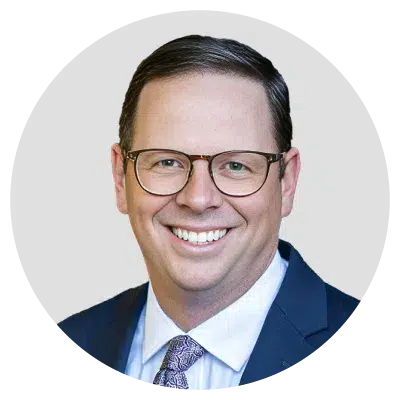
Mike Becker

Mike Becker is the Executive Director of RMAI, where he oversees the association's strategic initiatives, educational programming, member engagement, and industry advocacy efforts. He works closely with industry leaders to address emerging trends, regulatory developments, and operational challenges shaping the future of receivables management.

About Event

The RMAI Executive Summit 2026

The RMAI Executive Summit 2026 is the Executive Director of RMAI, where he oversees the association's strategic initiatives, educational programming, member engagement, and industry advocacy efforts. He works closely with industry leaders to address emerging trends, regulatory developments, and operational challenges shaping the future of receivables management.