
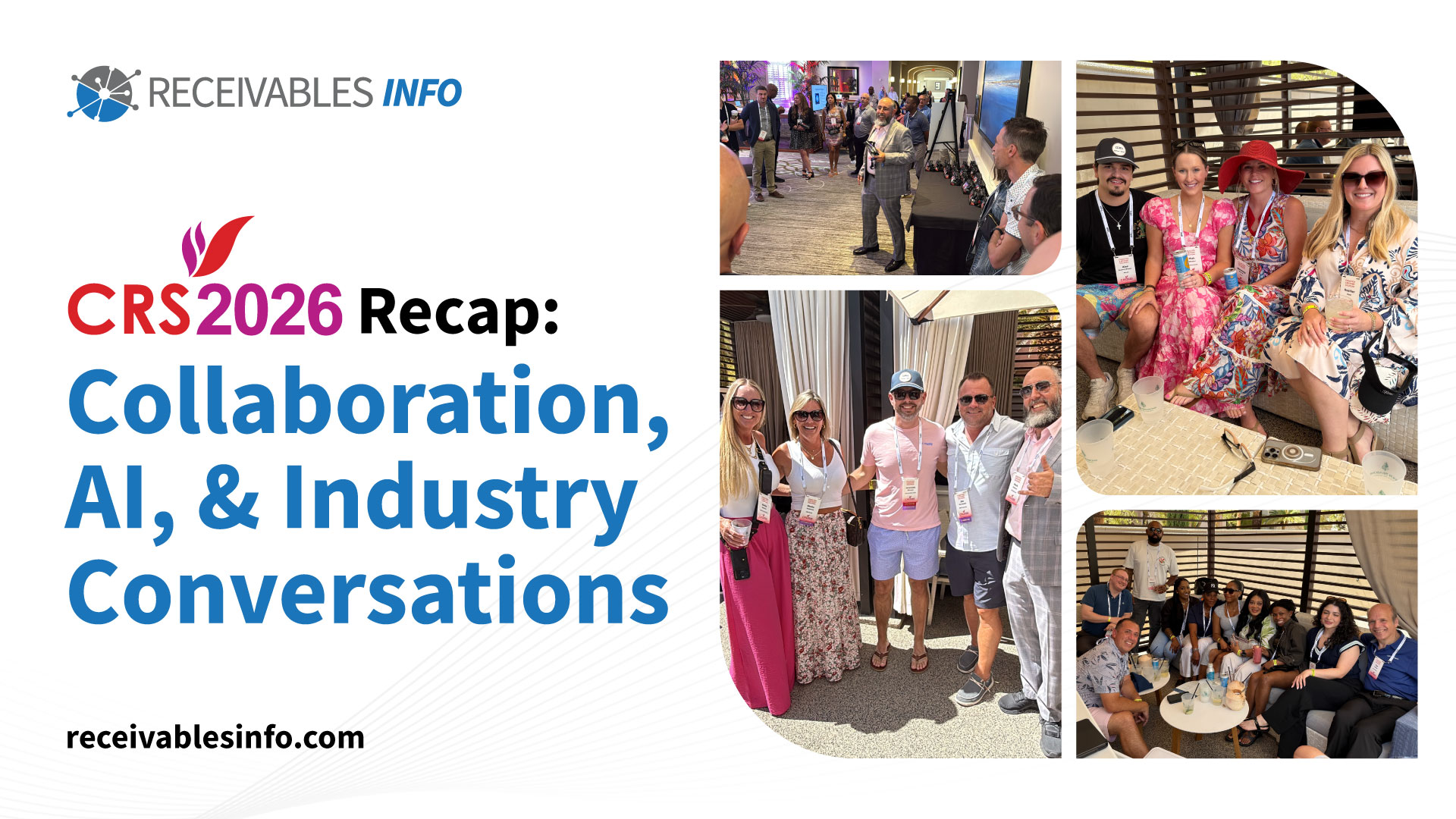
CRS2026 Recap: Conversations, Collaboration, and the Industry’s Evolving Future
Abstract: CRS2026 brought together creditors, agencies, fintech leaders, attorneys, recovery professionals, and technology providers for three days of collaboration, operational discussions, and peer-driven networking. This first-person recap explores the conference’s major themes, including AI adoption, compliance pressure, operational resilience, consumer financial stress, and the growing importance of meaningful industry collaboration across receivables management.
There are conferences where people show up, exchange business cards, sit through presentations, and head home.
CRS2026 was not one of those conferences.
Held May 6–8, 2026, at the Four Seasons in Las Vegas, CRS2026 brought together creditors, agencies, fintech leaders, attorneys, recovery professionals, and technology providers for three days of collaboration, operational discussions, and peer-driven networking.
Under the leadership and direction of Mark Naiman, the event once again delivered something that has become increasingly rare in the receivables management industry: meaningful conversations between the people actively shaping the future of the space.
What stood out to me early on was the energy in the room. Sponsorships and exhibitor booths sold out faster than any previous CRS event I can remember. This speaks to the conference’s continued growth and the industry’s clear appetite for deeper engagement and collaboration.
At the same time, despite that growth, CRS has managed to preserve one of its most important characteristics, an almost equal balance between creditors and vendors. From my vantage point, that balance is what truly shapes the tone of the event.
Because of it, the conversations never felt purely transactional. Instead, they felt relationship-driven and intentional. Whether I was walking the exhibit hall, sitting in on sessions, or having informal discussions during networking breaks and lunches, there was a consistent shift toward dialogue that felt more meaningful, more open, and far more focused on long-term industry collaboration.
Day 1 — Reconnections And Early Momentum
Day 1 focused heavily on reconnecting the industry before the educational programming officially began. Early networking conversations quickly filled the hallways, poolside events, and exhibitor areas as attendees settled in and prepared for the days ahead.
RMN Member Discussions Set a More Collaborative Tone Early
One of the first things I noticed was how effectively the Recovery Management Network (RMN) discussions shifted into a more collaborative format this year. Moving away from a traditional classroom-style structure and into a roundtable model changed the energy almost immediately.
The difference was noticeable in how people engaged. Instead of passively receiving information, attendees were actively contributing by sharing operational challenges, comparing recovery strategies, and discussing real-time regulatory and performance pressures. It felt less like a session and more like a working conversation among peers.
First-Time Attendees and Early Industry Energy
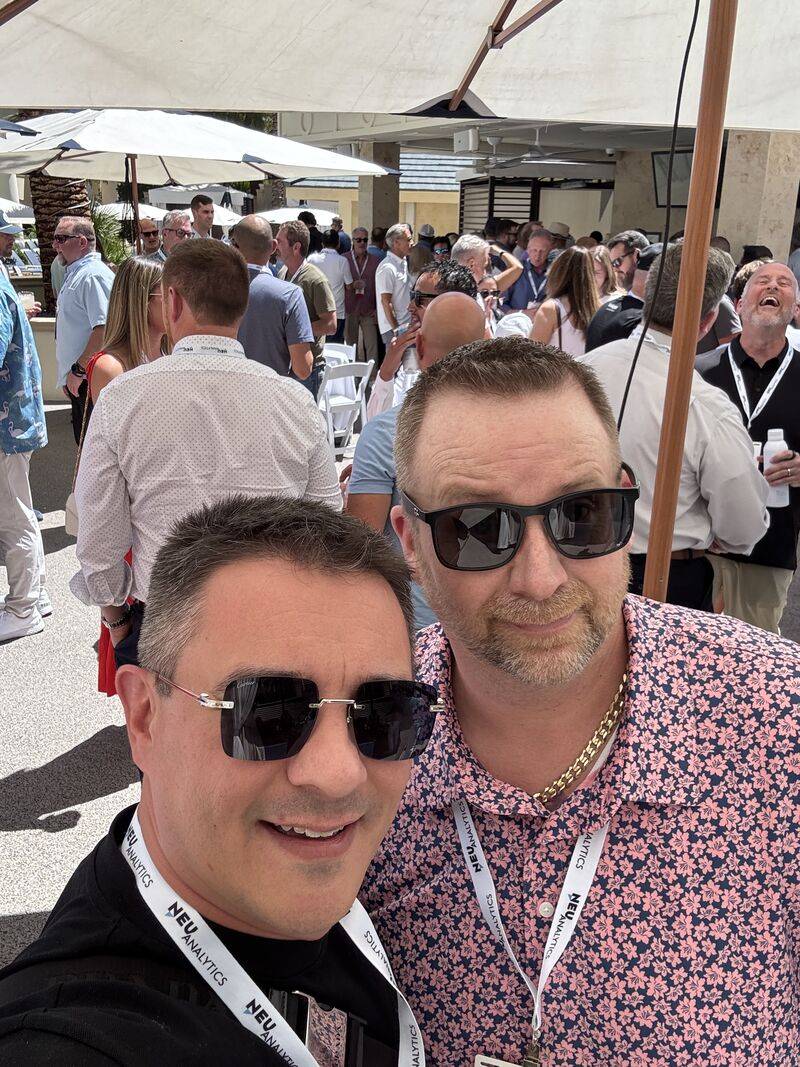
Another aspect of Day 1 that stood out to me was the number of first-time attendees. Approximately 60 new participants joined the conference this year, and what impressed me most was how quickly they were absorbed into conversations across the event.
The first-timer orientation wasn’t just informational; it became a networking entry point. I saw introductions turn into meaningful discussions almost immediately, which reinforced something I have always believed about CRS: the environment accelerates relationship-building in a very intentional way.
Networking Before the Agenda Even Begins
Even before formal sessions began, networking had already taken over much of the day. Conversations in hallways, around the exhibit floor, and at sponsor-led gatherings created a constant flow of interaction.
There was no waiting for “networking time,” it was all natural, built into everything happening throughout the day. That included poolside gatherings, informal catch-ups between peers, and early exhibitor engagement that set the tone for the rest of the week.
Opening Reception and Exhibit Hall Activation
By the time the opening reception began, the exhibit hall had effectively become the center of gravity for CRS2026.
This is where the conference really transitioned from reconnection into momentum. Conversations were no longer just about catching up; they were shifting into business discussions, strategic alignment, and industry outlook.
It was a strong start, but more importantly, it established a clear foundation for what followed over the next two days: deeper conversations, structured learning, and increasingly focused collaboration.
Day 2 — Insight, Pressure Points, And Industry Direction
Day 2 was where CRS2026 shifted fully into its educational and strategic core. If Day 1 was about reconnection, Day 2 was about clarity in understanding what the industry is facing right now, and how different segments are responding.
Mark Naiman Sets the Tone for the Day
The morning began with opening remarks from Mark Naiman, and his role in framing the day cannot be overstated. Relationships are the thread that runs through everything we do. Strategies change, markets shift, technology keeps rewriting the playbook, but meaningful progress still comes down to trust, connection and the people willing to show up for one another. As we look ahead to this 25 year milestone in 2027, it is worth remembering that the real legacy is not just what has been built, but who we built it with.
He grounded the conversation in four themes that I saw repeated throughout the entire conference:
- Industry collaboration
- Regulatory pressure
- Technology adaptation
- Operational resilience
What resonated with me was not just the messaging itself, but how accurately it reflected what was being discussed across every session that followed.
Operational Reality Comes Into Focus
Sessions like “Operational Hot Topics” reflected what many organizations are currently dealing with in real time. The discussions were practical, direct, and focused on operational strain, evolving recovery strategies, and shifting portfolio dynamics.
This was one of the strengths of CRS2026. The content didn’t feel detached from the industry, it felt immediately applicable.

Student Loans, Liquidity, and Consumer Pressure
One of the more impactful discussions for me was centered around student loans and their broader impact on liquidity and collections performance.
What emerged clearly across this conversation was how deeply consumer financial stress continues to influence recovery outcomes. It wasn’t about one product type. Instead, it was more about how financial pressure is spreading across multiple segments simultaneously.
Regulatory Conversations Remain Central
Regulatory and legislative updates continued to be a major focus throughout Day 2. The conversations reinforced what I think most people in the room already understand that compliance is not stabilizing, it is evolving.
And what made these discussions valuable was the level of specificity. They weren’t abstract interpretations of regulation; they were grounded in how organizations are actively adapting.

My Session: AI Impact on Consumers and Creditors
One of the highlights of CRS2026 for me was hosting a session centered on AI’s growing role in the collections environment, with a particular focus on the rapid expansion of voice AI technologies.
What I appreciated most about the discussion was that it moved beyond the usual excitement surrounding AI and focused instead on practical reality. The conversation wasn’t about futuristic speculation or marketing language; it was about what these tools are actually doing inside operations today, where they are producing measurable value, and where expectations may still be outpacing results.
There was clear optimism around efficiency, scalability, and consumer engagement opportunities, but the discussion was equally grounded in compliance considerations, oversight, consumer trust, and ROI realities.
One question continued to surface throughout the session:
Are organizations implementing AI strategically, or simply rushing to keep pace with industry momentum?
That question captured one of the defining themes of CRS2026, balancing innovation with responsibility as the industry continues to evolve.
Auto Finance Peer Group Hits Record Participation
The Auto Finance Peer Group (AFPG) stood out as well, particularly because of the record attendance this year.
The level of engagement in those discussions reflected how important auto finance recovery challenges have become, especially around valuations, repossession trends, and servicing strategy shifts.
Networking Becomes the Real Thread of the Day
Between sessions, networking never really paused. Lunch conversations, exhibitor interactions, and informal discussions consistently bridged the gap between structured content and real-world application.
One thing I heard repeatedly from both creditors and vendors was that CRS is producing not just conversations, but actionable outcomes. That distinction matters.
Day 3 — Round Tables, Reality Checks, And Closing Conversations
Day 3 had a different tone. It felt more reflective, but also more direct. Conversations were less about exploring ideas and more about pressure-testing them.
Final Morning Networking and Industry Energy
The final morning began with a steady flow of conversations across breakfast and exhibitor areas. People were intentionally using the last window of time to reconnect and close loops from earlier in the week.
Creditor Roundtables Take Center Stage
As the morning progressed, the Creditor Roundtables quickly became the centerpiece of Day 3 and, in many ways, one of the most engaging parts of the entire conference.
What makes these discussions particularly valuable is the format itself. In addition to the quality speakers featured throughout the main conference sessions, the Friday morning Creditor Roundtables gave attendees the opportunity to choose three separate roundtable discussions focused on specific collection and recovery topics. Each table was led by an industry peer with direct operational knowledge and experience tied to the subject matter being discussed.
Instead of sitting through presentations, attendees were actively discussing challenges, comparing strategies, and exploring solutions together in a far more informal and collaborative setting. The roundtables covered a broad range of operational and strategic concerns, including:
- offshoring strategy
- legal collections
- internal operations
- compliance and oversight
- technology adoption
- auto finance challenges
Every table I visited was packed, but more importantly, the discussions were genuinely lively. People were openly sharing operational realities, asking questions, and learning from peers facing many of the same pressures.
Closing Networking and Final Reflections
CRS2026 concluded with the Bento Box Lunch Networking event, sponsored by Silverman Theologou, Veneziano & Lighthall Attorneys, and Branding Arc.
The lunch felt less like a closing event and more like the final continuation of conversations that had been building throughout the entire conference. Tables remained filled with attendees exchanging ideas, reflecting on key sessions, revisiting operational challenges discussed earlier in the week, and continuing conversations that had started in hallways, roundtables, and exhibit hall meetings.
Final Takeaway From CRS2026
As I look back across all three days of CRS2026, what stays with me most isn’t any single session, panel, or networking event; it’s the collective direction the industry appears to be moving toward.
Throughout the conference, the same themes surfaced again and again in both formal discussions and informal conversations:
- a stronger push toward collaboration between creditors, agencies, and service providers
- growing regulatory and compliance pressure
- the accelerating influence of AI and automation
- increasing consumer financial strain across multiple sectors
- and a rising demand for practical, peer-driven problem solving
But the biggest takeaway for me goes beyond any one trend or topic.
CRS2026 succeeded because it created an environment where meaningful conversations could happen naturally. The balance of attendees, the curated format, the interactive roundtables, and the emphasis on peer engagement all contributed to discussions that felt substantive rather than performative.
In an industry increasingly driven by technology, regulation, and operational pressure, that kind of authentic connection has become incredibly valuable.
And honestly, increasingly rare.


