
Technology & Innovation
Exploring cutting-edge tools and emerging tech trends that transform how the debt collection and financial services industries operate, from automation to AI-driven analytics.

Abstract: Artificial intelligence is rapidly transforming collections operations, but the industry's biggest challenge may not be deployment: it may be

Abstract: AI-powered customer engagement is rapidly transforming regulated industries by reshaping how organizations manage communication, compliance, personalization, and consumer

Abstract: Consumer AI is no longer a theoretical issue for the receivables management industry. As consumers begin using generative

Abstract: Artificial intelligence is becoming more than an operational tool in financial services. It is emerging as a valuation

Abstract: Fintech-originated credit portfolios are reshaping expectations in debt purchasing and collections. Built within digital-first ecosystems, these assets carry

Abstract: Artificial intelligence and machine learning are fundamentally changing the way debt collection organizations interact with consumers. What was once

Abstract: In 2026, digital collections performance depends less on adding channels and more on orchestrating them with measurable, compliance-engineered

Abstract: Artificial intelligence is reshaping receivables management, but not in the way many expected. Rather than replacing human roles,

Self-service payments are no longer a peripheral feature in debt collection; they are the new norm across the entire

Artificial intelligence has moved rapidly from experimentation to expectation across receivables operations. Collection agencies, debt buyers, and creditors increasingly

Abstract: Fintech-originated credit portfolios are reshaping expectations in debt purchasing and collections. Built within digital-first ecosystems, these assets carry

Abstract: Artificial intelligence and machine learning are fundamentally changing the way debt collection organizations interact with consumers. What was once

Abstract: In 2026, digital collections performance depends less on adding channels and more on orchestrating them with measurable, compliance-engineered
Abstract: Artificial intelligence is reshaping receivables management, but not in the way many expected. Rather than replacing human roles,

Self-service payments are no longer a peripheral feature in debt collection; they are the new norm across the entire

Artificial intelligence has moved rapidly from experimentation to expectation across receivables operations. Collection agencies, debt buyers, and creditors increasingly

The U.S. receivables industry continues to operate on infrastructure and behavioral assumptions developed decades ago. Many of these no
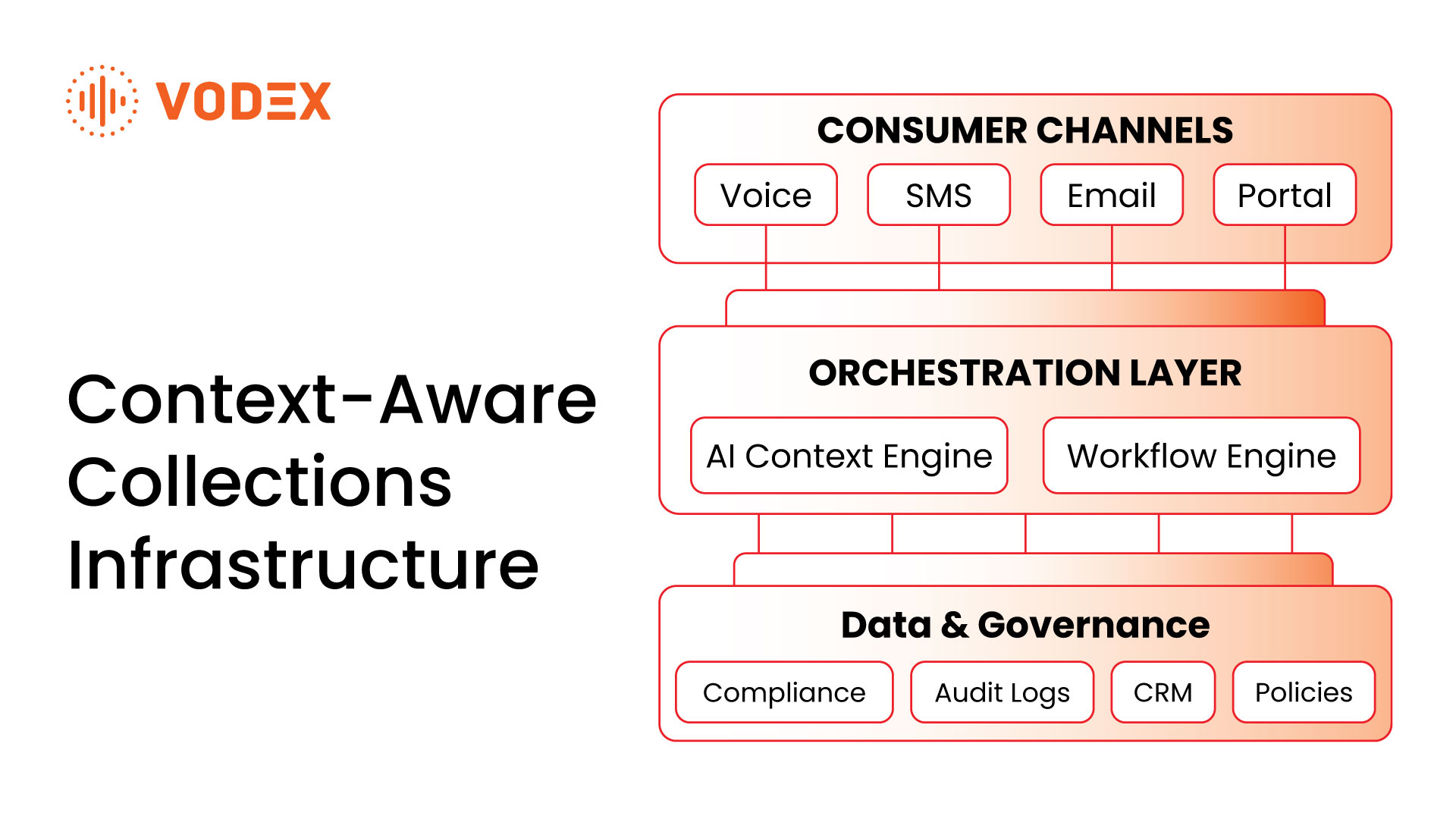
AI context orchestration for collections is increasingly recognized as a structural requirement rather than a technical enhancement. As artificial

Digital settlement platforms are often discussed as if they are a simple channel change, moving a negotiation from phone

Artificial intelligence is now a permanent component of debt collection operations. While early adoption focused on experimentation and proof-of-concept

The deployment of conversational AI in collections has progressed beyond experimentation. AI voice systems are now interacting with consumers,

The challenge of responding to security threats has expanded far beyond the confines of information technology departments. Across regulated

Artificial intelligence in debt collection has evolved from experimental to operational. It is no longer a future ambition and

The receivables industry is entering a critical 18-month window where AI adoption will shape operations for years to come.


Submit a Press Release
Submit your press release editorial consideration. We welcome articles highlighting trends, innovations, and updates in the collections industry.
Latest News
- Consumer Payment Survey Finds Text Messages Drive Faster Payments Than Email
- Medical Debt Affects 27% of U.S. Adults, With More Than One-Third Facing Collection Agency Contact
- Nearly 390,000 Minnesota Medicare Enrollees Face Plan Changes, Raising Medical Debt Concerns
- AI in Sales Cycle: What Happens When Information is No Longer the Seller’s Advantage?
- UK Driver Uses ChatGPT to Fight Parking Fine After Three-Year Dispute