
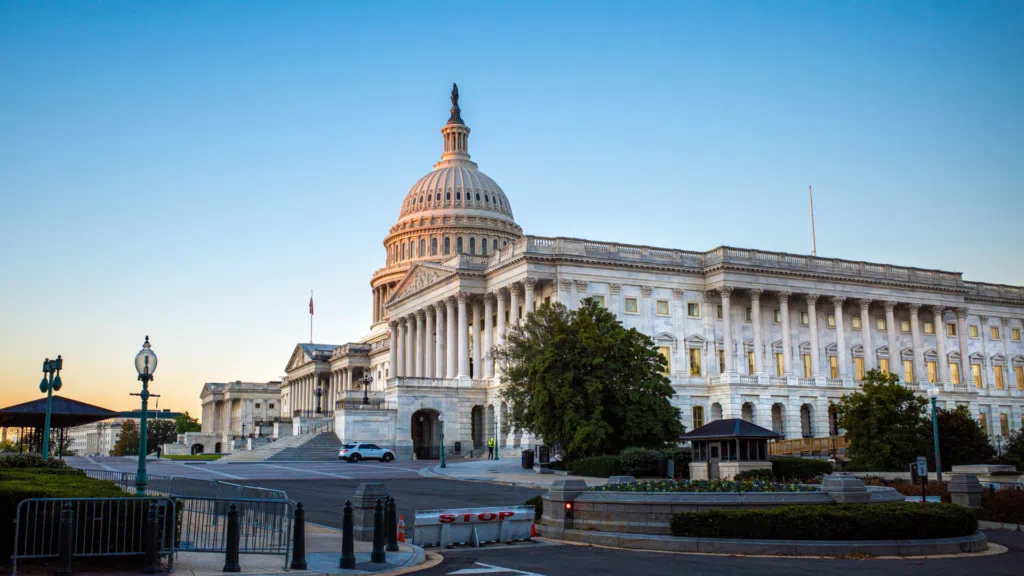







House Financial Services Roundtable Highlights Priorities Behind Sweeping CFPB Reform Bill
House Financial Services Committee leaders used a Sept. 1 roundtable on the future of the Consumer Financial Protection Bureau to outline priorities that are also reflected in a newly introduced legislative package proposing substantial changes to the agency’s rulemaking, supervision and enforcement authority. The event coincided with committee Republicans’ unveiling of the Consumer Financial Protection Accountability and Reform Act of 2026, a five-title proposal intended to restructure several aspects of CFPB governance and authority.
New Receivables Podcast - Navigating Commercial Credit and B2B Collections
Receivables Podcast is opening the door to a different side of collections. David Schmidt of Trade Credit & Liquidity Management (TCLM) joins Adam Parks to explore the world of commercial credit and B2B collections. The conversation moves from customer concentration and industry-specific strategies to AI automation, international receivables, and litigation.
FCC Targets Illegal Robocalls With Provider Removals and New Scorecard Proposal The Federal Communications Commission is taking a two-pronged approach to its ongoing fight against illegal robocalls, removing 14 voice service providers from U.S. networks while also proposing a new consumer-facing tool designed to evaluate how effectively providers are combating illegal robocalls.
CFPB Updates ‘Your Home Loan Toolkit’ for Mortgage Lenders and Brokers The CFPB’s compliance resources page lists the toolkit as last updated in August 2026 and provides new print-ready and web-enabled versions in English and Spanish. The booklet is required under Regulation X and Regulation Z and is intended to help homebuyers understand the mortgage process and the costs associated with real estate settlement services.
From Credit Reporting to Collections, Washington, D.C. Rewrites Medical Debt Rules Washington, D.C., has enacted a new law that will place broad restrictions on how medical debt can be collected and reported. The Medical Debt Mitigation Amendment Act of 2026 became law on August 20, 2026, but its substantive requirements are not yet applicable.